Blog /10 Styling Mistakes That Make a Home Look Messy
10 Styling Mistakes That Make a Home Look Messy
We’ve all been there. You’ve spent the weekend tidying, arranging, and trying to make your space feel pulled together, only to step back and realize something still feels… off. Your home isn’t actually dirty or cluttered, but it doesn’t have that calm, collected look you see in design photos. The frustrating part? You can’t quite pinpoint what’s wrong.
The truth is, a home can look messy even when it’s technically clean and organized. More often than not, the issue isn’t clutter — it’s visual noise. Subtle styling choices interrupt the sense of flow and make a space feel unfinished or chaotic. The good news is that once you know what to look for, these mistakes are surprisingly easy to fix.
Below are ten common styling mistakes that quietly create visual disorder, along with simple shifts that help your home feel more intentional, balanced, and serene.
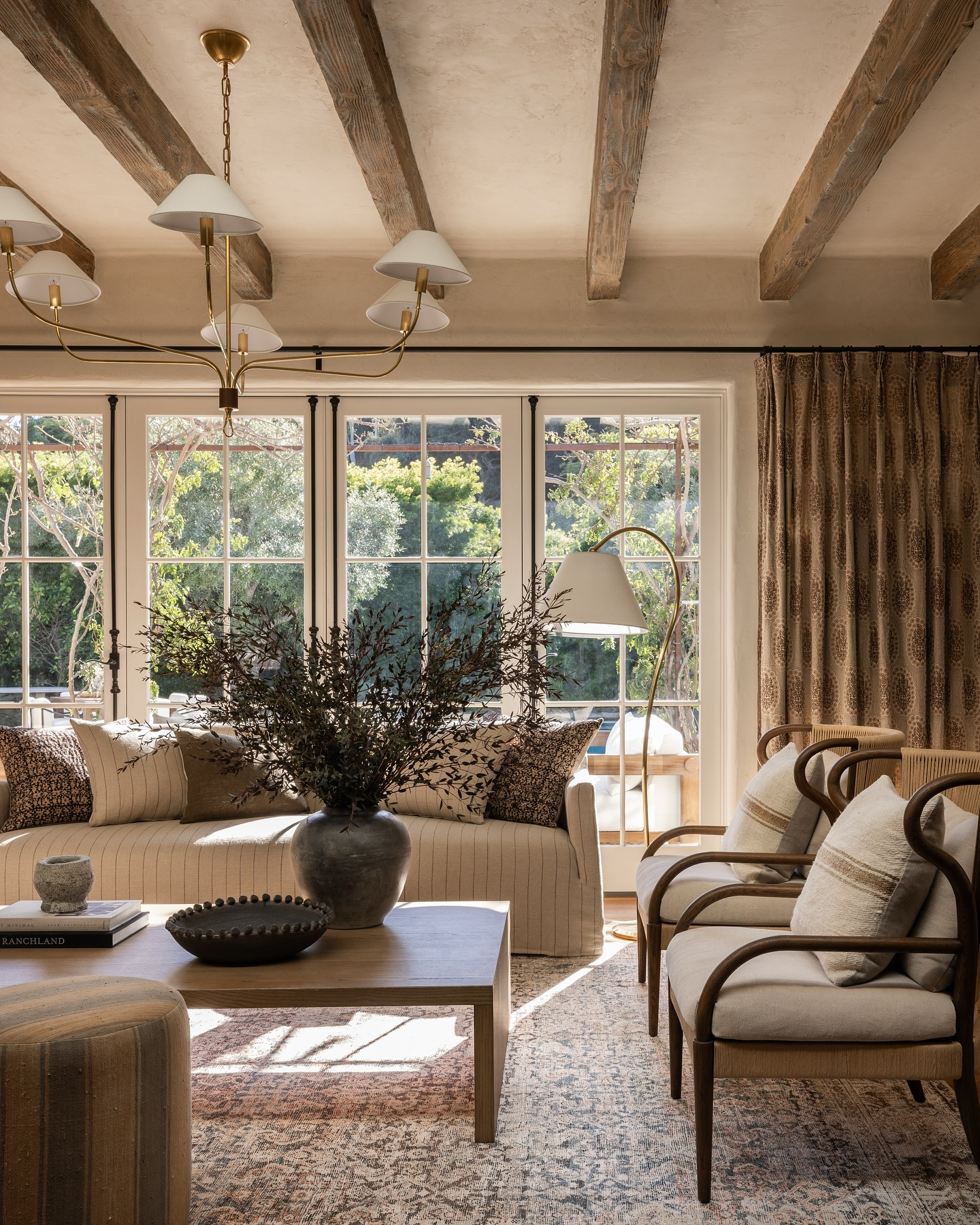
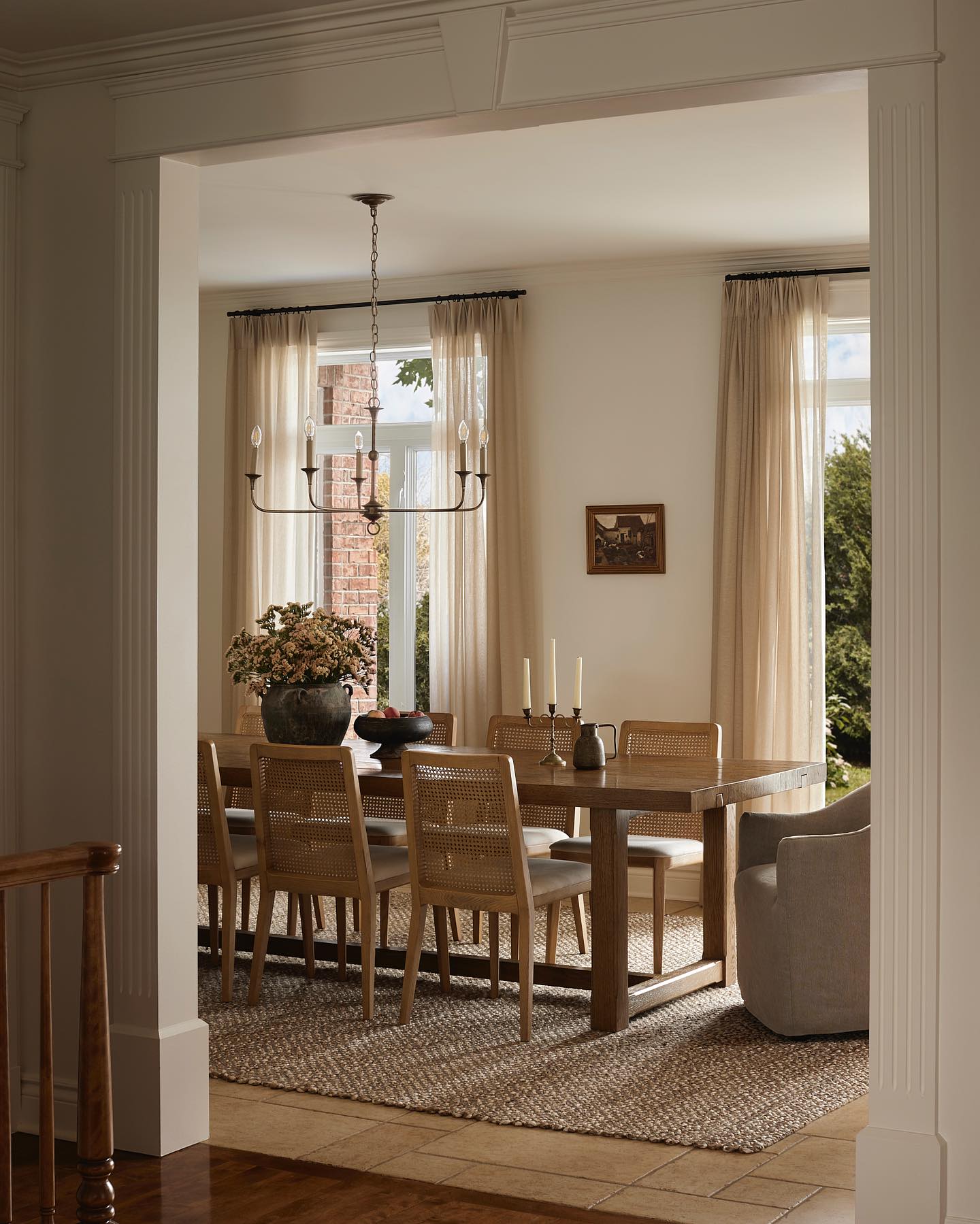
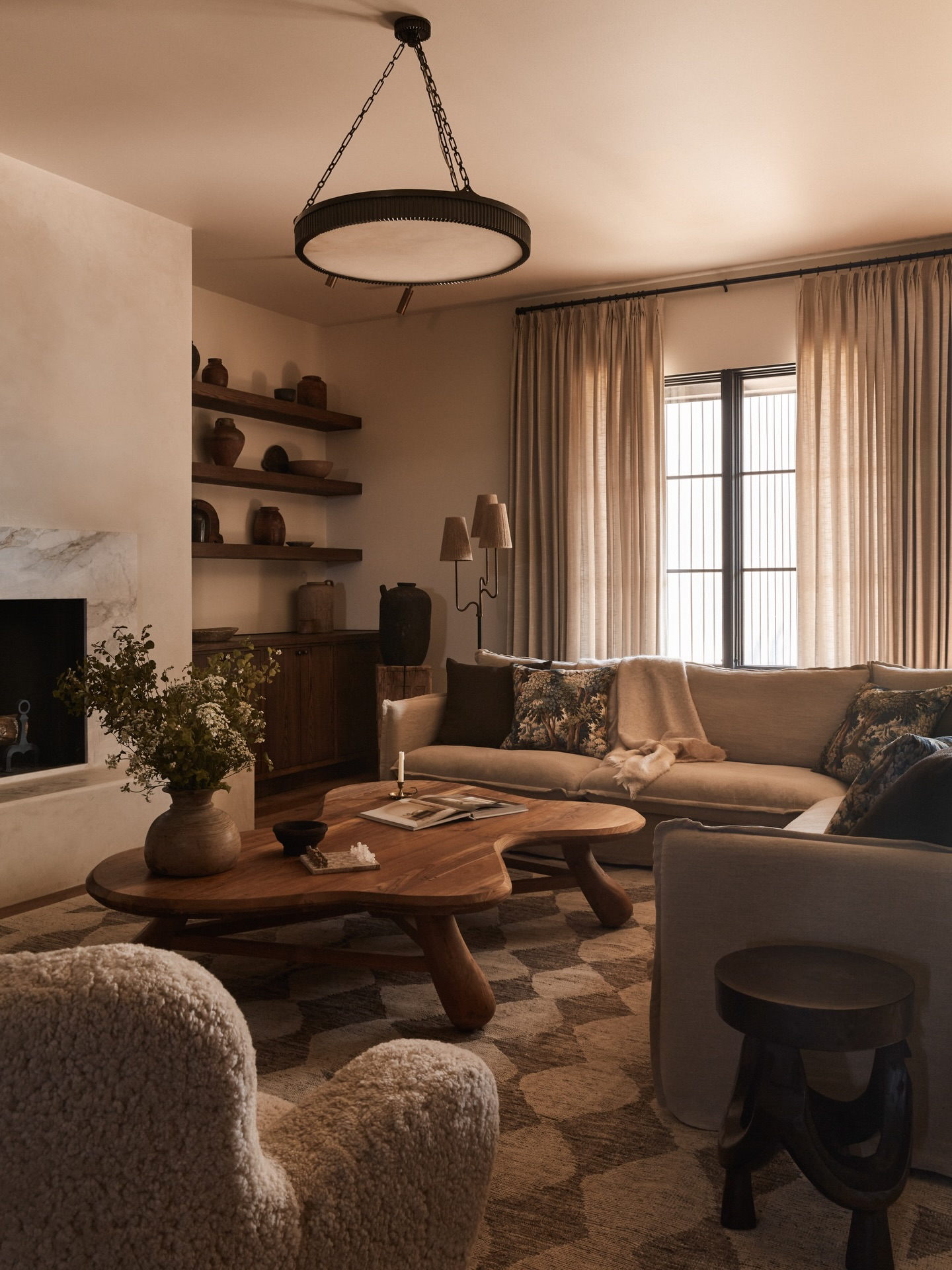
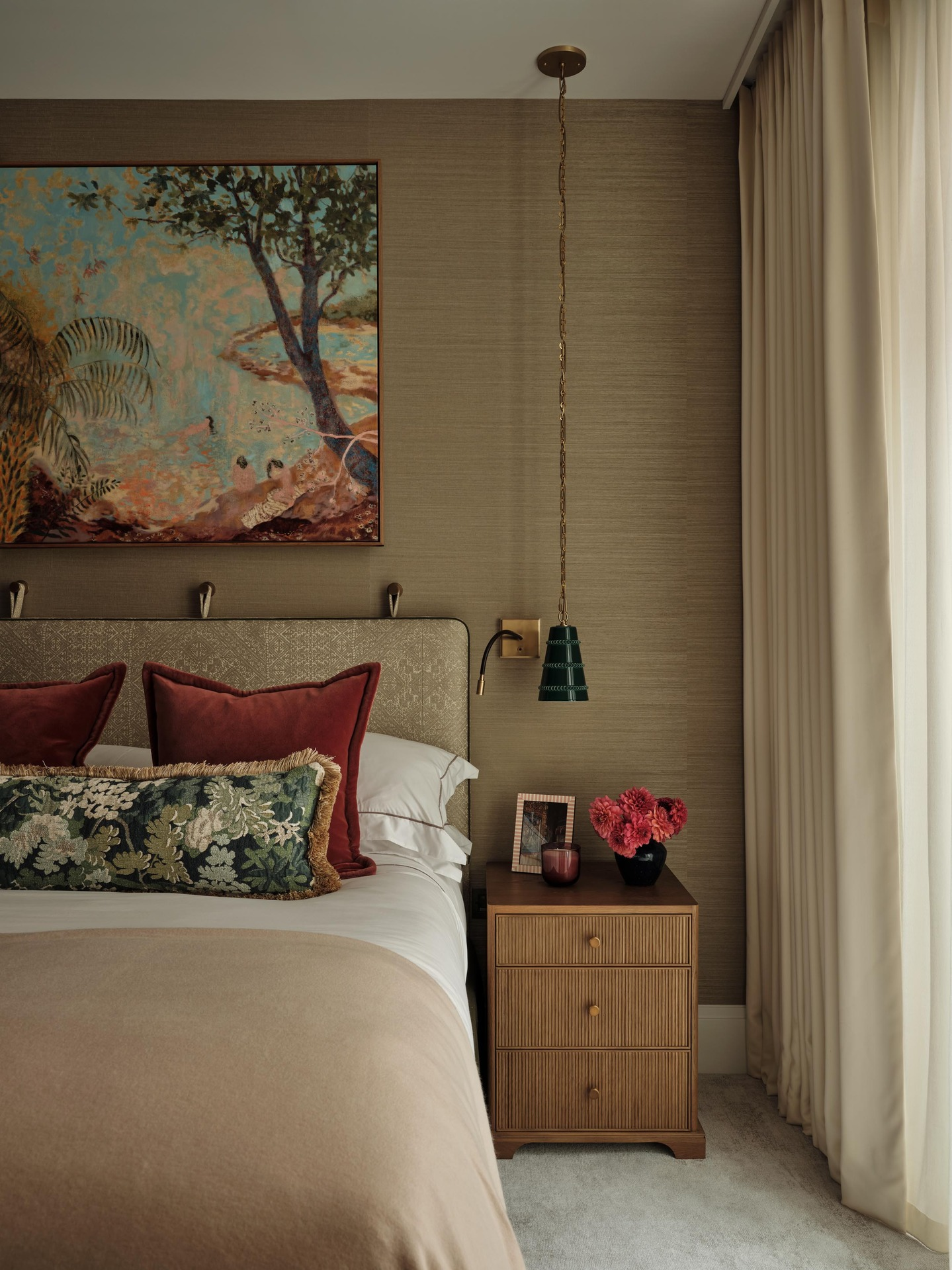
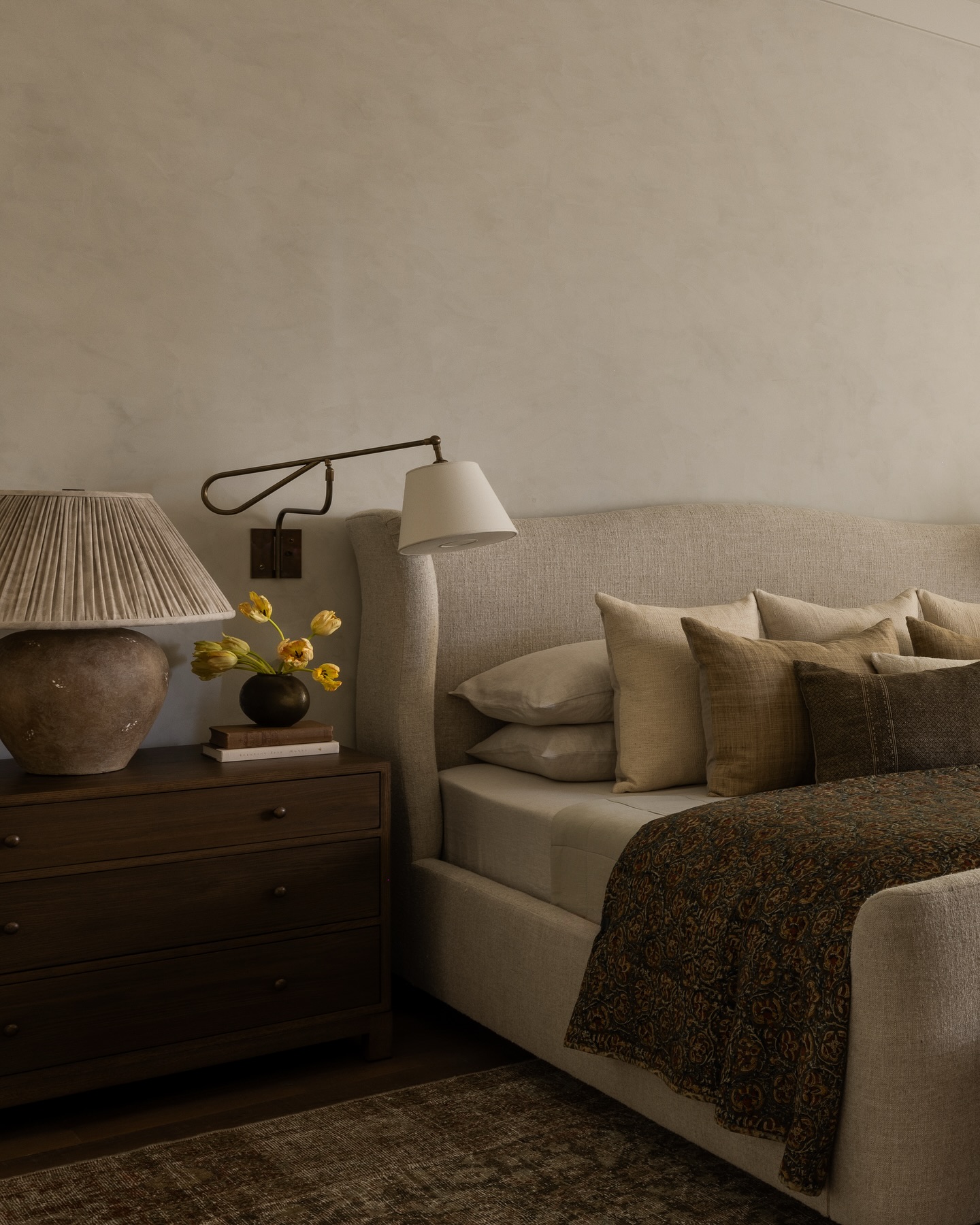
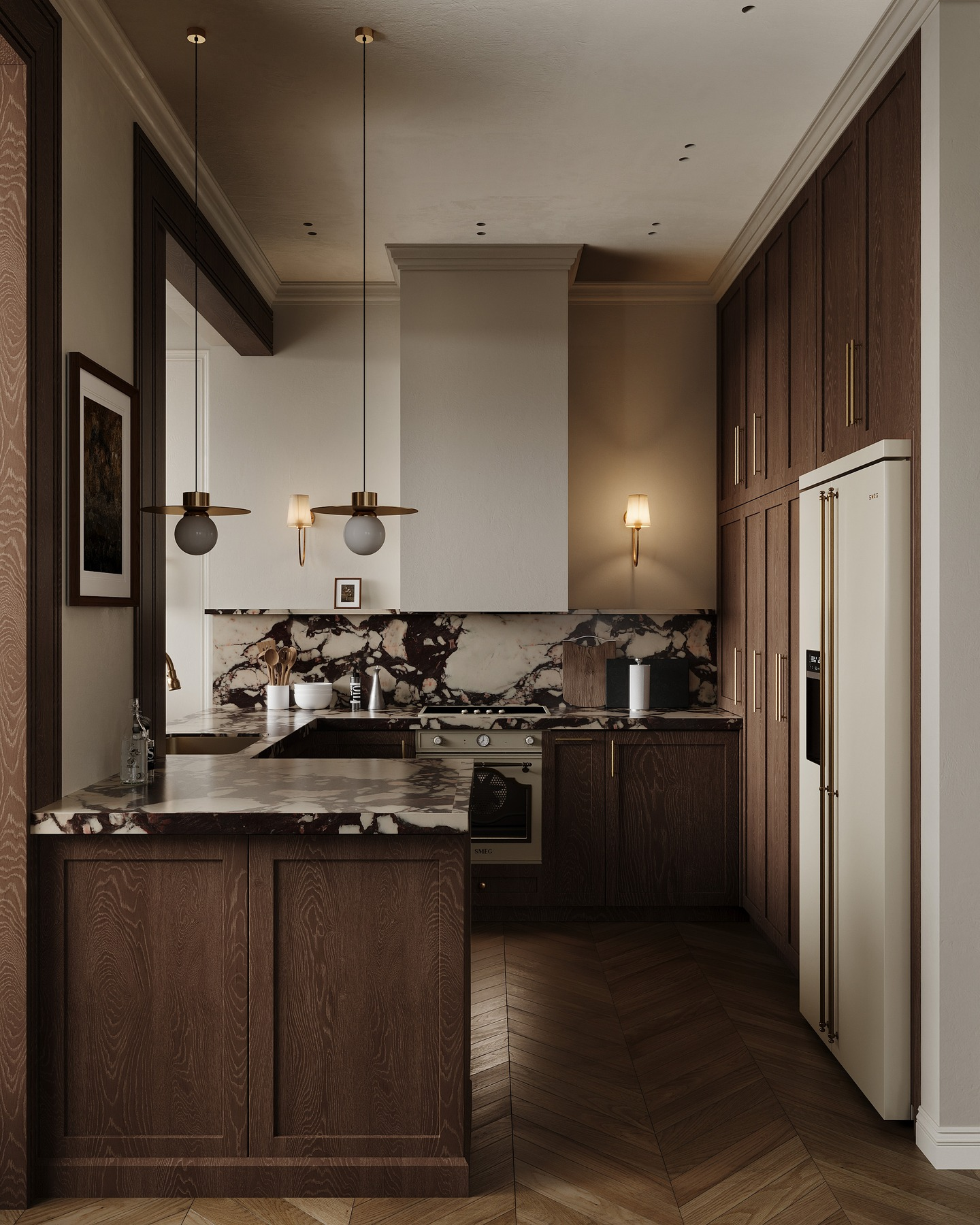
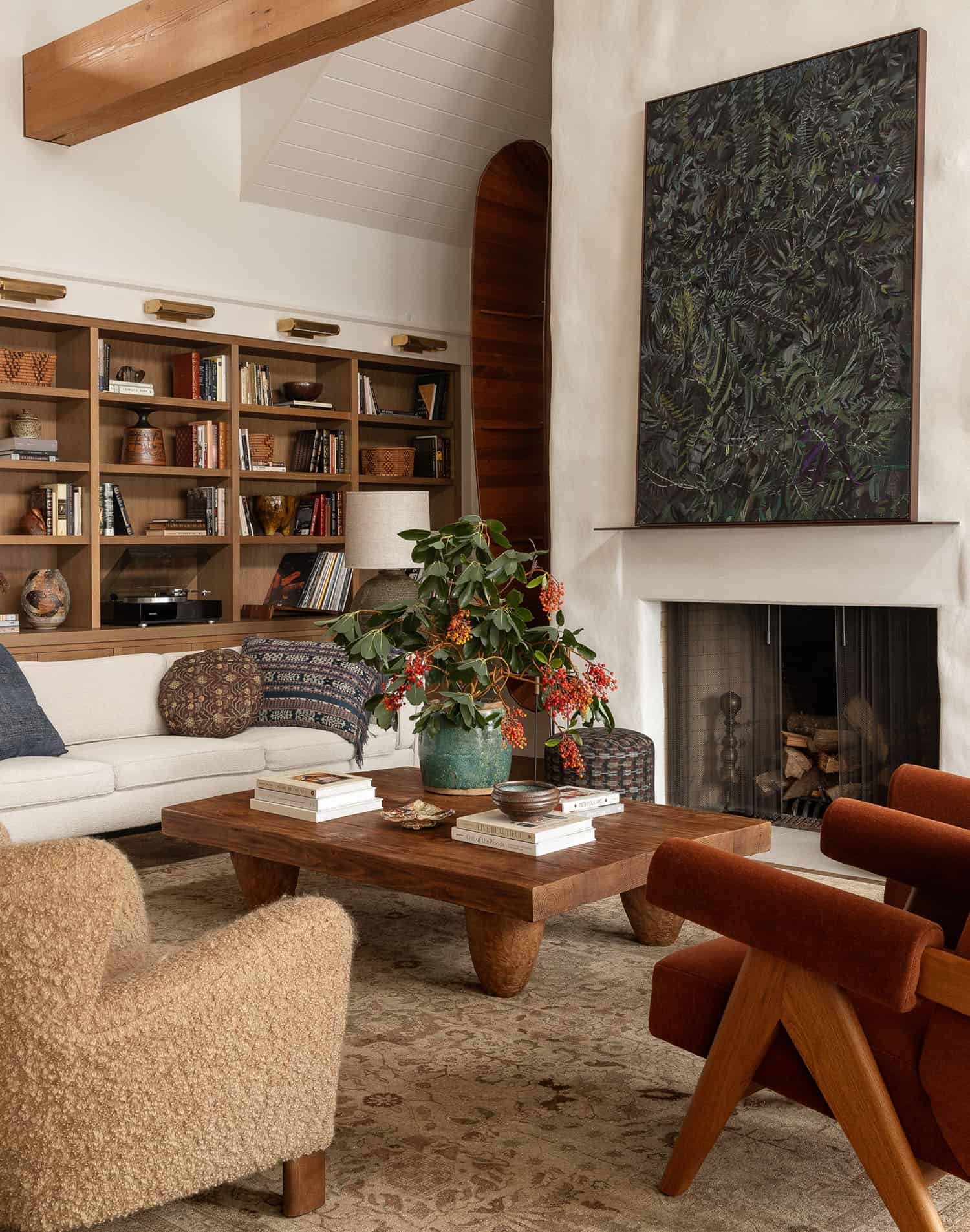
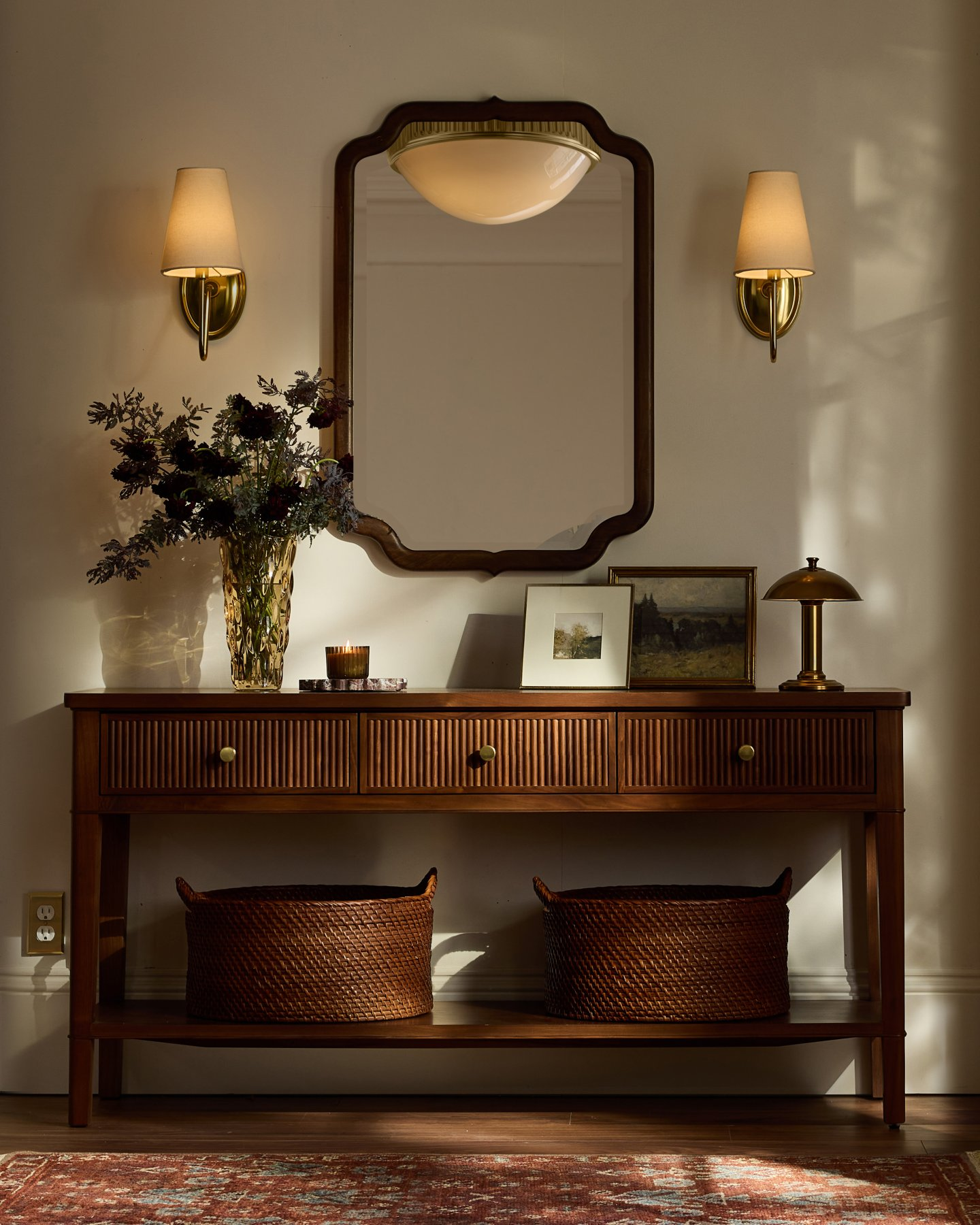
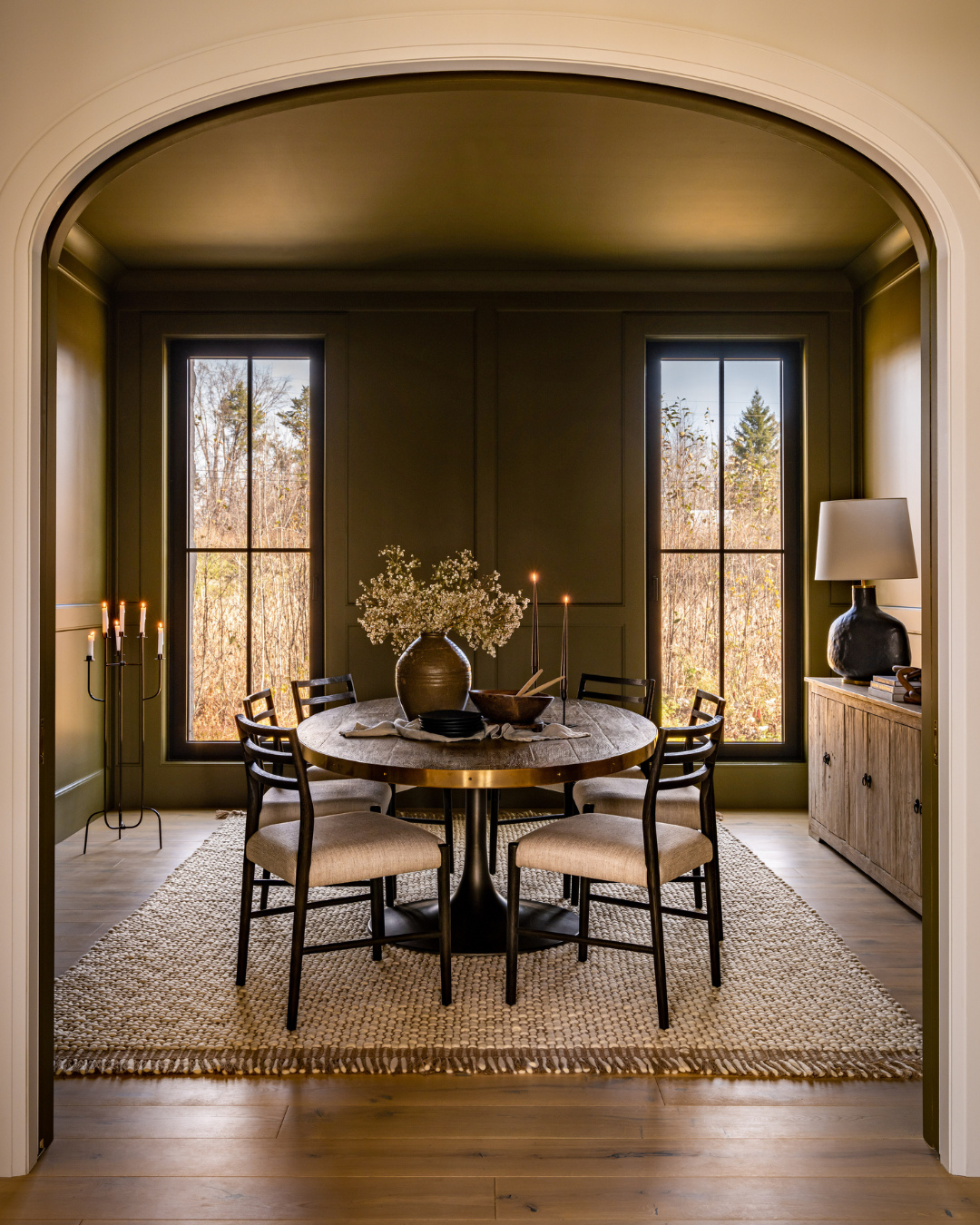
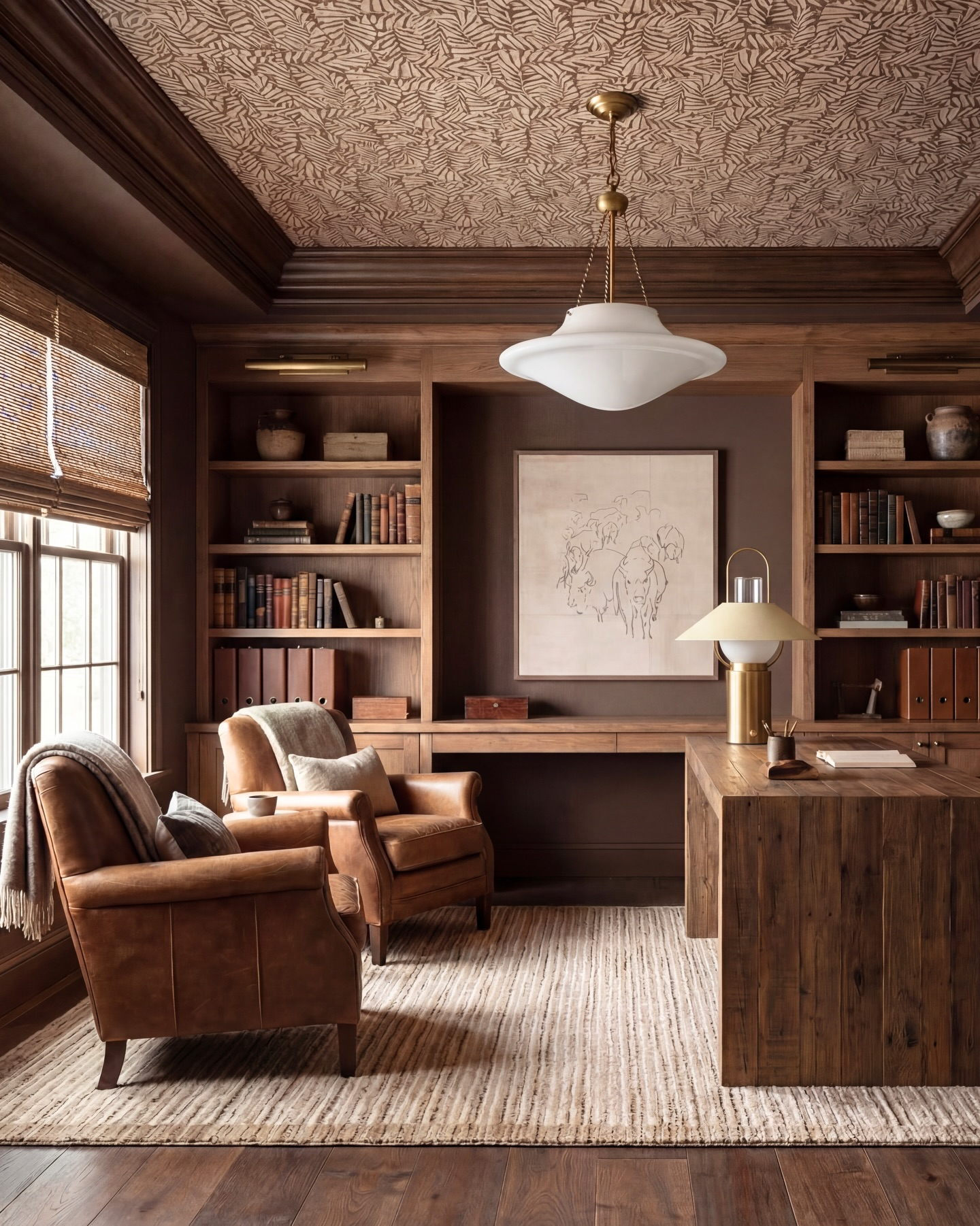
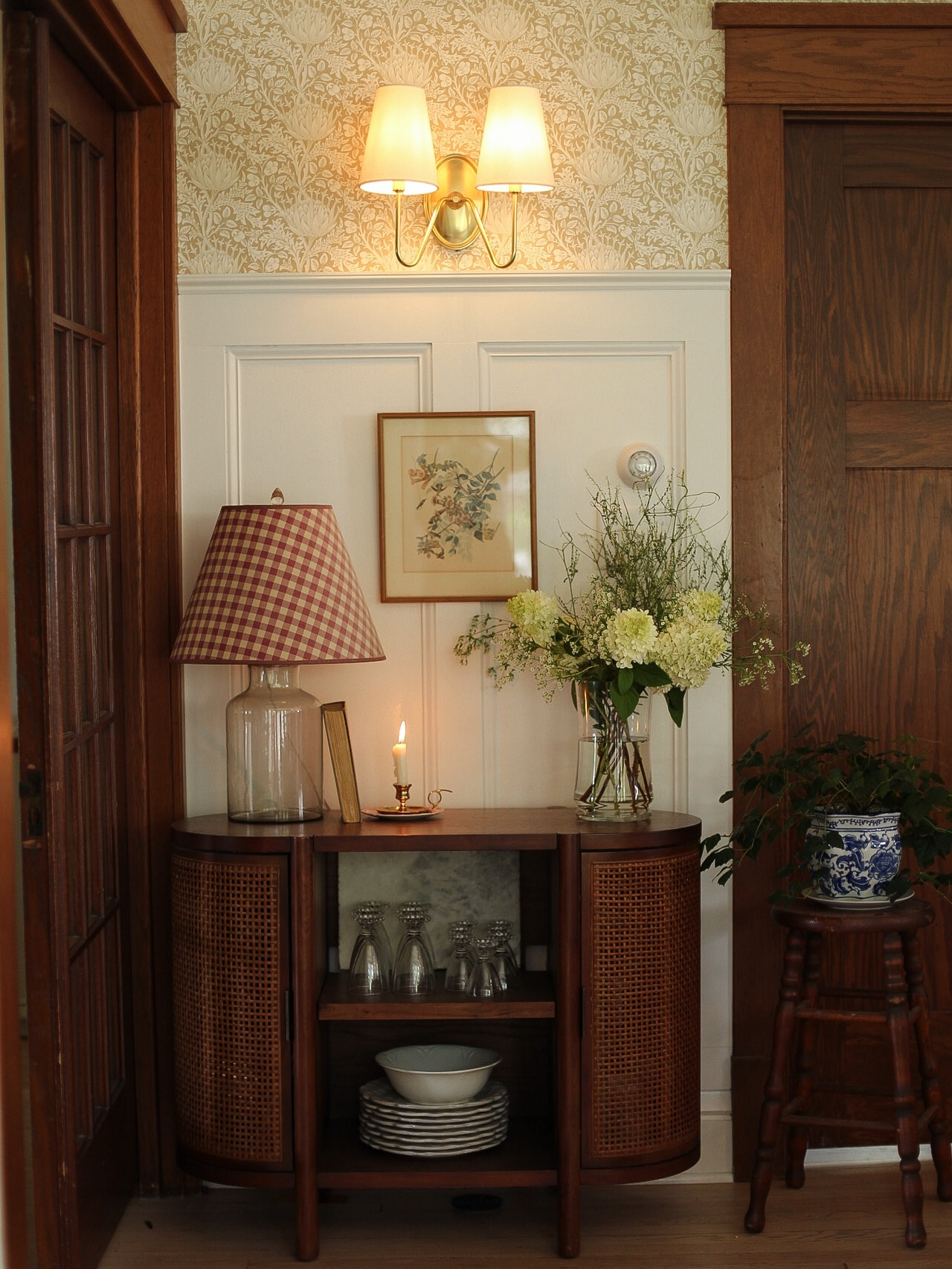
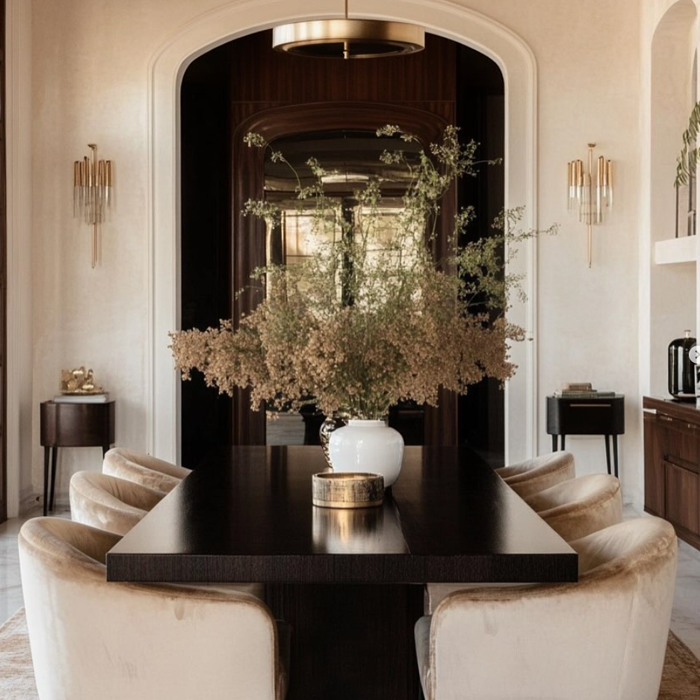
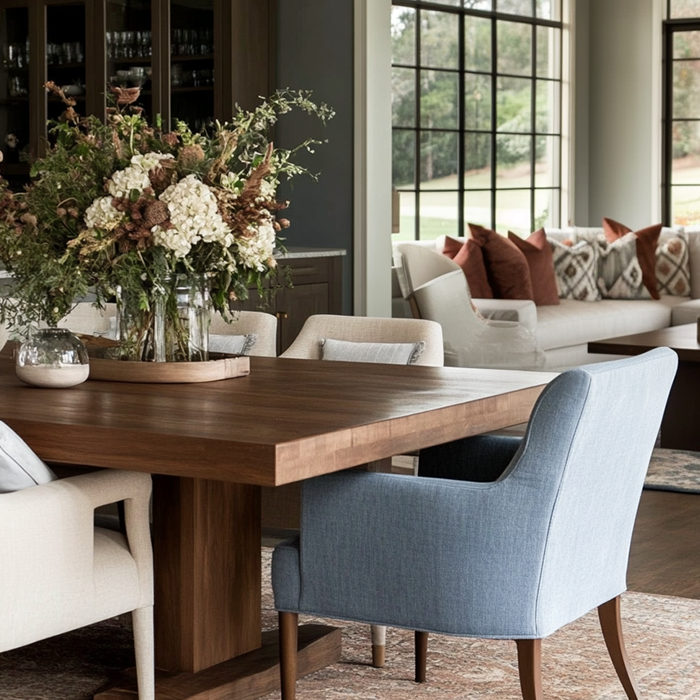
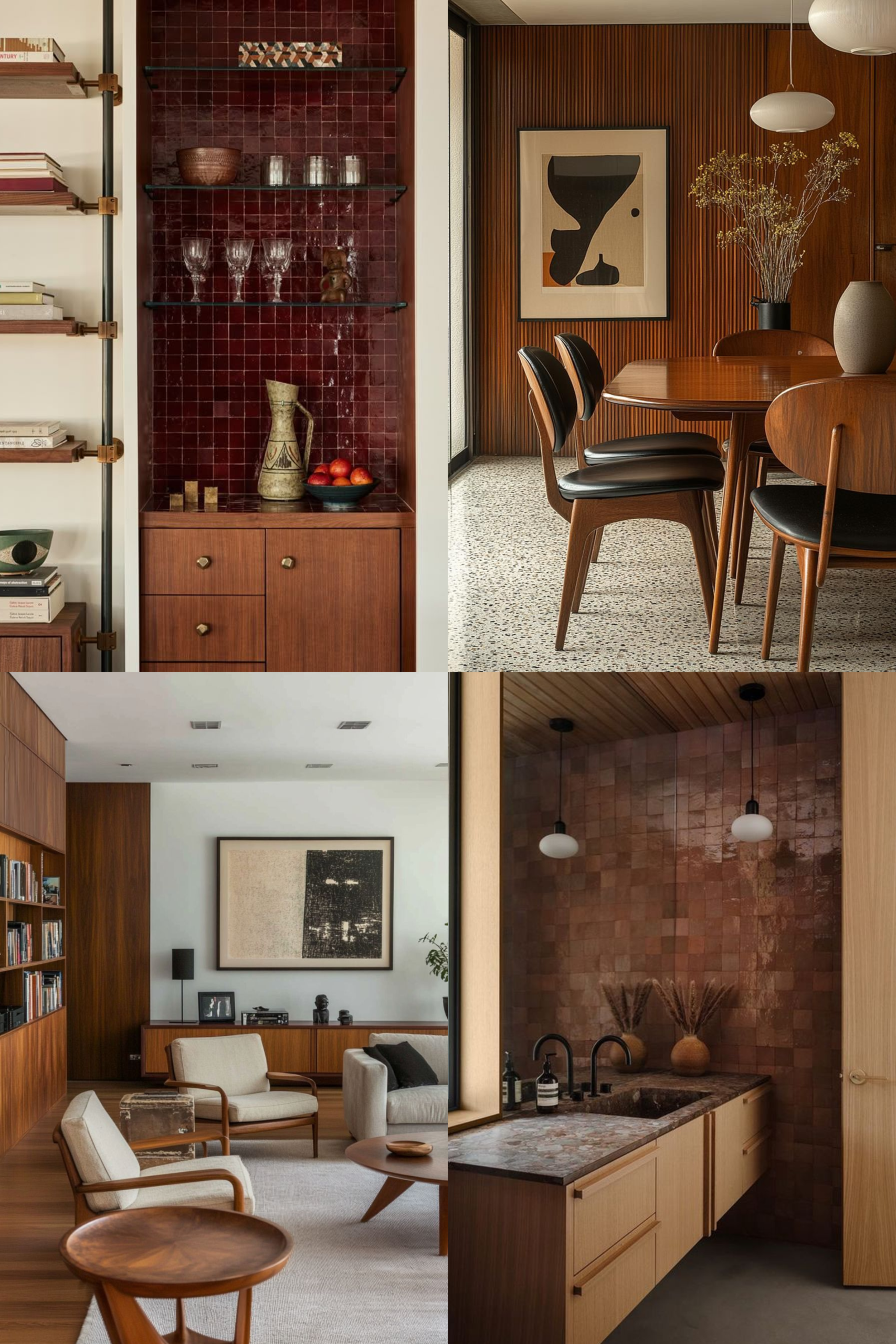
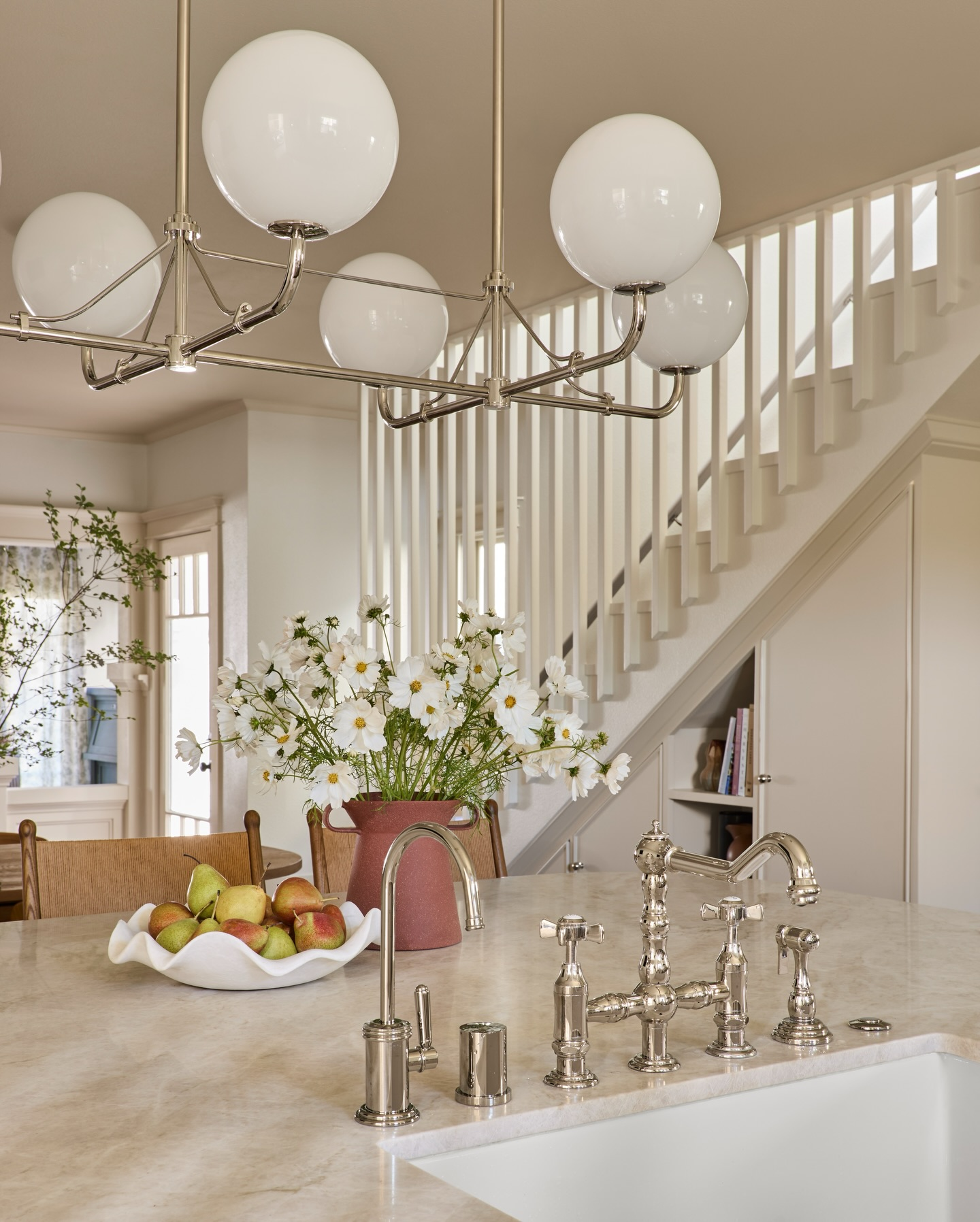
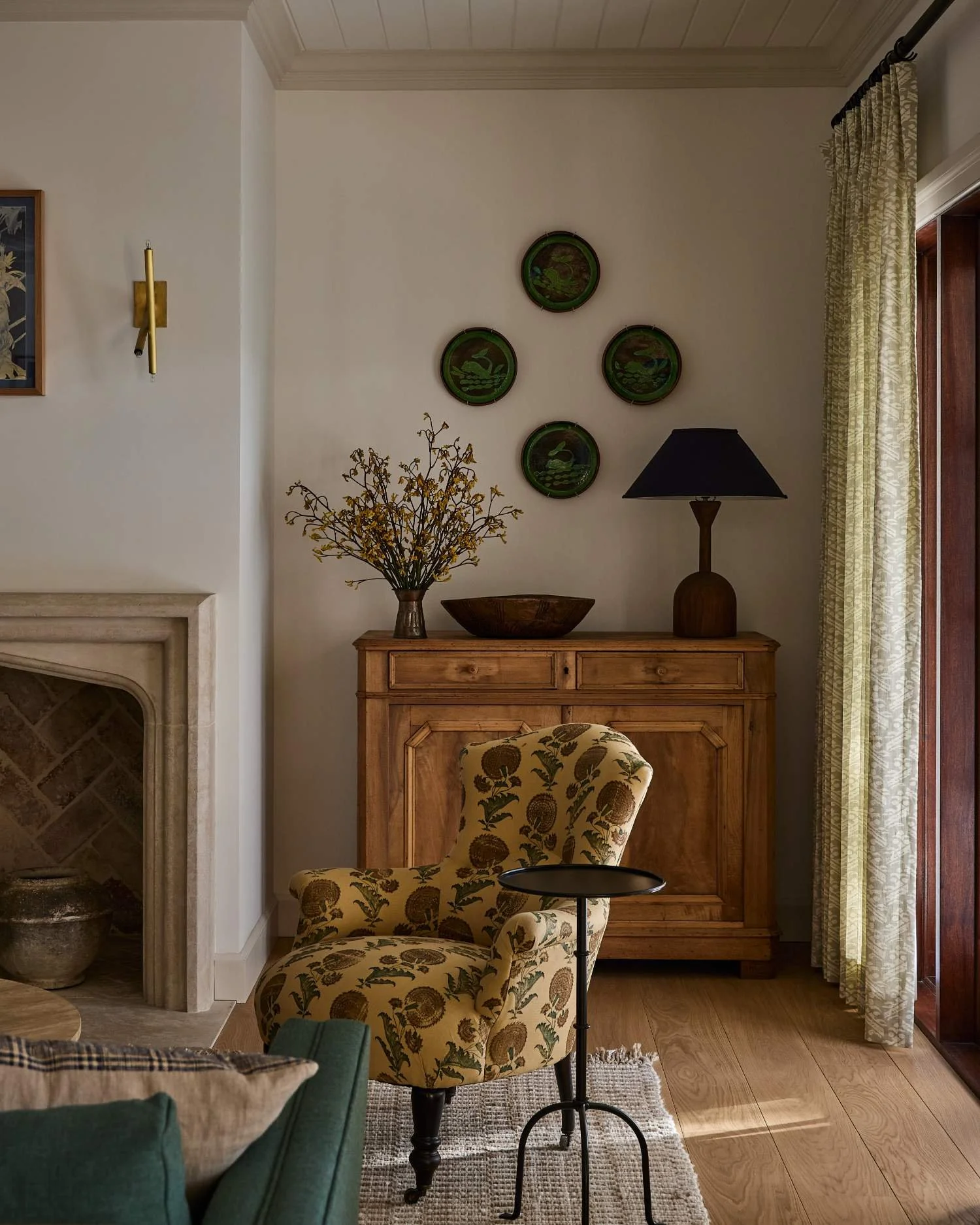
Note: The images in this article show well-styled spaces where these mistakes are already avoided.
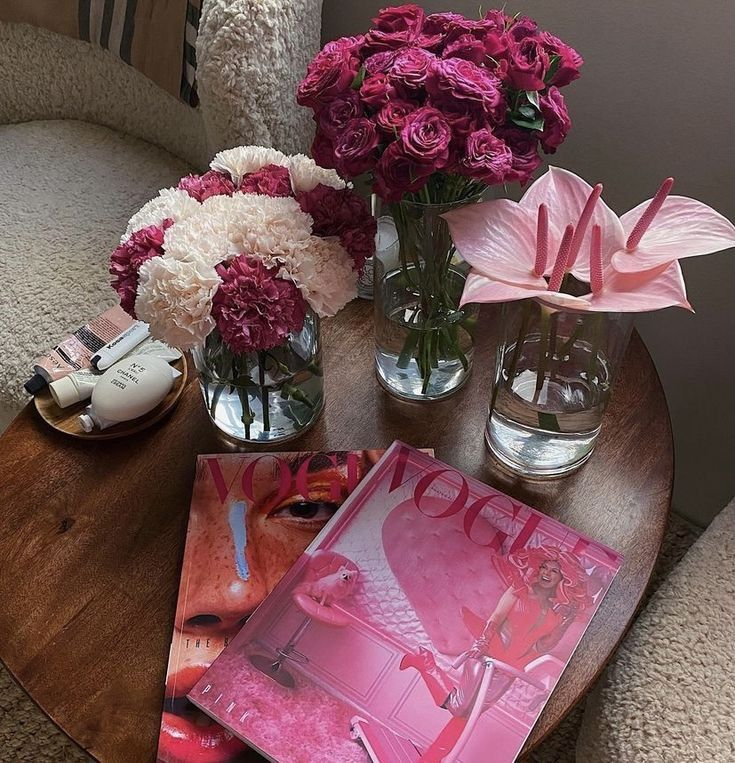
1. Too Many Equal-Weight Decorative Objects
One of the fastest ways to create visual clutter is filling a space with too many items that all demand the same level of attention. Small vases, candles, frames, and figurines scattered across surfaces compete with each other, leaving your eye nowhere to rest. The issue isn’t the number of objects — it’s the lack of hierarchy. When everything is meant to be decor, nothing stands out. Group smaller items together on a tray or in a bowl to create a single visual moment. Balance them with one larger, more substantial piece that anchors the space. Fewer, stronger statements always feel calmer than many tiny accents fighting for attention.
Design by Blanc Marine Intérieurs, Photo by Annie Fafard
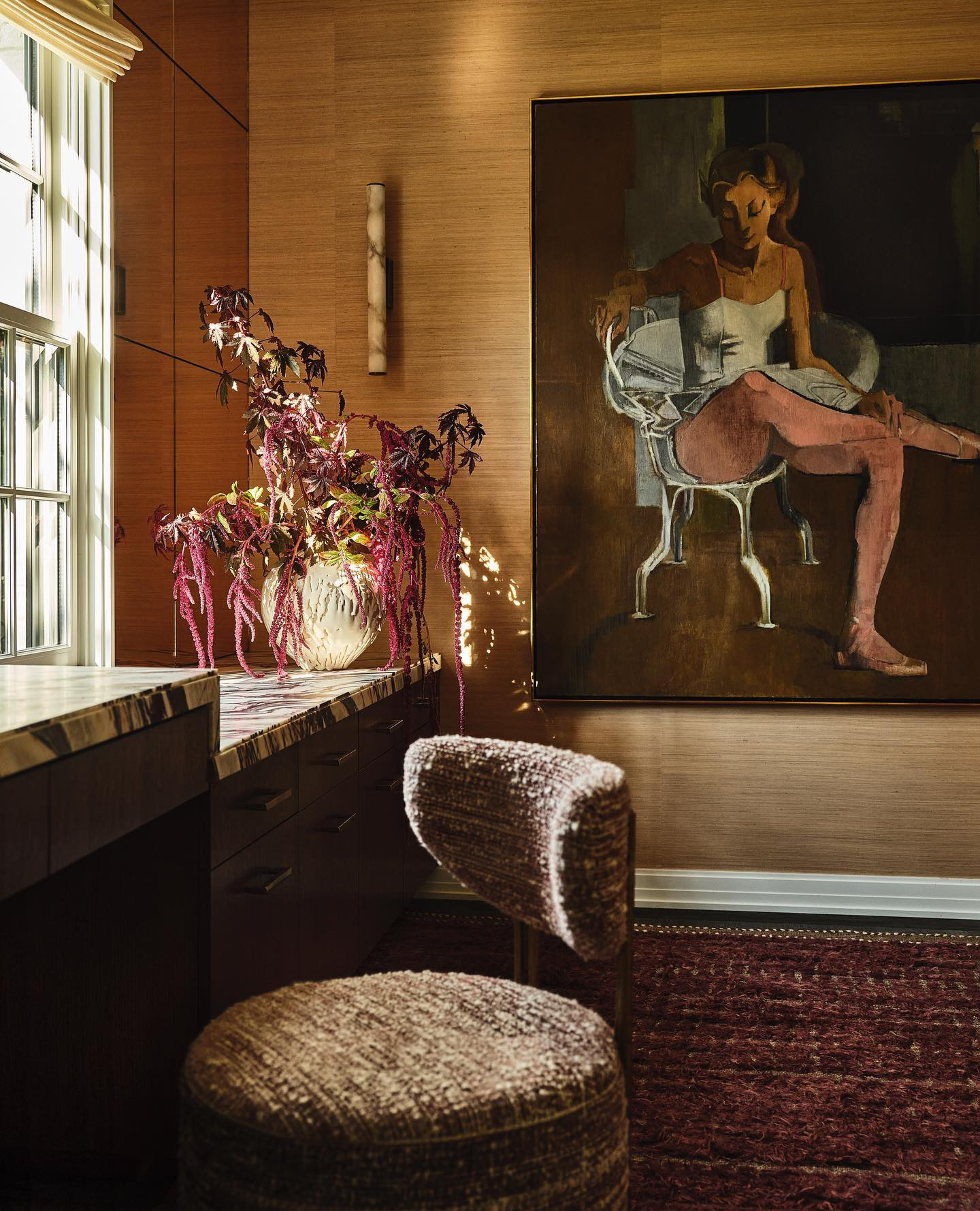
2. A Room With No Clear Focal Point
When a room lacks a focal point, it often feels messy even if it’s tidy. Your eye keeps moving, searching for somewhere to land, and that constant motion reads as chaos. Every space benefits from one clear visual anchor — a fireplace, a large piece of art, a statement sofa, or even a beautifully styled window. Once that focal point is established, everything else should quietly support it rather than compete. When you give the eye a destination, the entire room instantly feels more organized.
Design by Bide Studio, Photo by Yanglin Cai
3. Styling for Photos, Not for Real Life
It’s easy to style a home for how it looks online rather than how it feels to live in. Decorative stacks that block usable surfaces, perfectly placed objects that constantly need moving, or “just for looks” items that add friction to daily routines all contribute to a subtle sense of disorder. If something looks beautiful but makes everyday life more annoying, it won’t stay tidy for long. The most successful styling supports real habits. Leave space where you naturally set things down. Choose decor that earns its place either through function or genuine enjoyment. A home that works well always ends up looking better in the long run.
Design by Rebecca Hughes
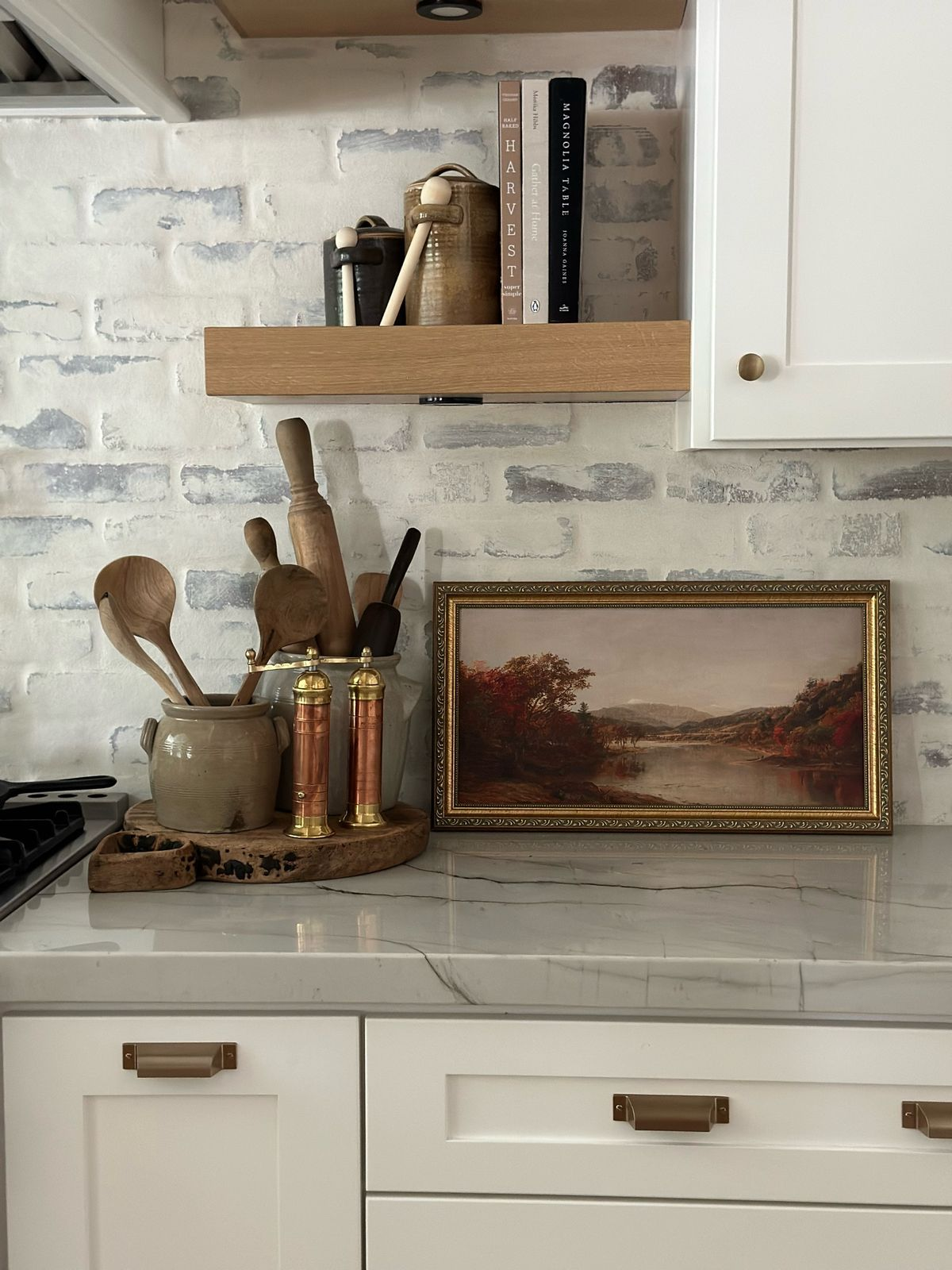
4. Filling Space Just Because It’s There
Empty space can feel uncomfortable, leading many people to decorate every surface and wall simply to avoid blank areas. The result is visual overload — even when the items themselves are beautiful. Negative space is not wasted space. It’s an active design element that gives your eye room to breathe. Leaving parts of shelves, counters, and walls intentionally bare makes the pieces you do display feel more meaningful. Restraint creates sophistication, and quiet moments are what make a home feel calm rather than crowded.
Design by Amber Lewis
5. Broken Sightlines That Interrupt Visual Calm
Visible cords, cables, and awkward visual interruptions quietly signal that a space is unfinished. These lines pull the eye in multiple directions, breaking the visual flow and making rooms feel temporary or chaotic. Simple cord management — routing wires behind furniture, using concealed power strips, or choosing pieces with built-in cable solutions — dramatically improves how polished a space feels. When sightlines are clean and uninterrupted, your home instantly reads as more intentional and complete.
Design by StuDuo
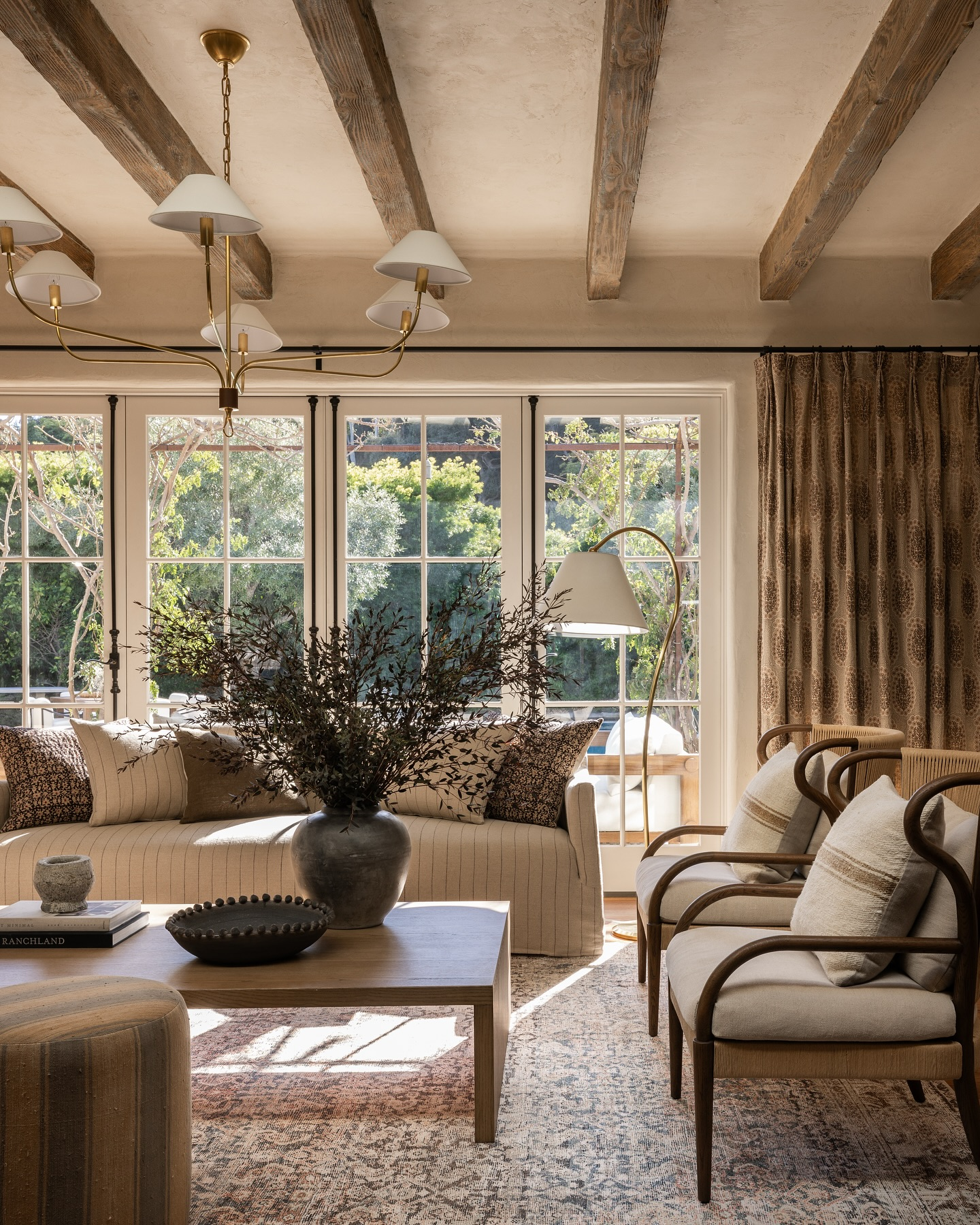
6. Furniture That Feels Out of Scale With the Room
When furniture doesn’t match the scale of the space, rooms feel awkward and unsettled. Oversized pieces overwhelm small rooms, while undersized furniture in larger spaces creates a scattered, cluttered look. Pay attention to how pieces relate to one another. A substantial sofa needs a coffee table with visual weight. Artwork should fill enough wall space to feel grounded. Lamps, tables, and accessories should feel proportional rather than random. When scale is right, everything feels like it belongs — and the room feels instantly calmer.
Design by Hoedemaker Pfeiffer
7. Lighting That Changes the Mood From Room to Room
Lighting inconsistencies are one of the most overlooked sources of visual disorder. When connected spaces use different bulb temperatures, your home subtly shifts in mood from room to room, creating a disjointed feeling. Choose a consistent lighting temperature for visible areas. Warm white light creates a cohesive, inviting atmosphere and allows your finishes and colors to read correctly. Thoughtful lighting doesn’t just illuminate a space — it unifies it.
Rejuvenation
8. No Visual Rhythm in Heights and Shapes
When everything in a room sits at the same height or uses similar shapes, the space feels flat and unintentionally cluttered. Without variation, your eye has nothing to follow. Create rhythm by mixing tall and low elements, rounded and structured forms, smooth and textured materials. A tall lamp beside a low table, a vertical plant paired with a wide bowl — these contrasts guide the eye gently through the space and add depth without adding clutter.
Design by West of Main Design
9. “Just in Case” Clutter
Items kept “just in case” often become permanent surface clutter. Extra pillows, trays, chairs, or decor that rarely serve a purpose quietly crowd your home. Be honest about what you actually use. If something hasn’t earned its place through regular function or joy, it’s adding visual weight without value. Letting go of backup items you don’t truly need creates breathing room and makes your home feel lighter and more intentional.
Photo by Light House Co.
10. Rooms Designed Without Connection to Each Other
When visible spaces follow completely different styles, the home can feel disjointed and messy — even if each room looks fine on its own. Cohesion doesn’t mean matching everything. It means repeating elements: similar color tones, finishes, materials, or shapes that carry through connected spaces. These subtle connections create flow and make your home feel like one complete story rather than a series of unrelated rooms.
Design by Kindred Homestead
Creating Lasting Change
Most of these styling mistakes don’t require buying new furniture or starting over. They’re about editing, repositioning, and making more intentional choices with what you already have. Often, fixing one issue naturally improves several others. Creating a calm, collected home isn’t about perfection or rigid rules. It’s about understanding how visual balance works and shaping your space around how you truly live. When your home supports your daily routines and gives your eye room to rest, it will always feel more organized — even on imperfect days.
Looking for Valentine’s Day decor ideas for every room? Discover how to decorate your bedroom, bathroom, kitchen, and living room with romantic touches that
Looking for Valentine’s Day decor ideas for every room? Discover how to decorate your bedroom, bathroom, kitchen, and living room with romantic touches that
In 2025, Christmas Decor Trends are redefining holiday interiors. From the chic simplicity of velvet bows to the magic of shimmering icicles, these ideas