Blog /Spring Home Refresh: Simple Ways to Declutter and Reorganize
Spring Home Refresh: Simple Ways to Declutter and Reorganize
Spring cleaning is one of those rituals that sounds straightforward — open the windows, wipe down surfaces, donate what no longer serves a purpose. Yet when approached thoughtfully, it has the potential to become something far more meaningful. In a well-maintained home, spring is not about correcting disorder. It is about refinement.
A considered spring home refresh offers the opportunity to reassess what is working, release what feels visually or functionally unnecessary, and restore a sense of lightness after the density of winter. Rather than rushing through a checklist, the process becomes measured — an intentional recalibration of the spaces you move through every day.
Below, we approach spring cleaning the way a designer would: room by room, layer by layer, with equal attention to atmosphere and practicality.
Begin with a Considered Walk-Through
Before cleaning begins, step back.
Move slowly through your home without changing anything. Notice first impressions. Observe where surfaces feel visually heavy or crowded, and where the space already feels calm and resolved. Entry consoles layered with mail, kitchen counters hosting more than the essentials, bedside tables carrying the accumulation of small objects — these areas often reveal subtle excess.
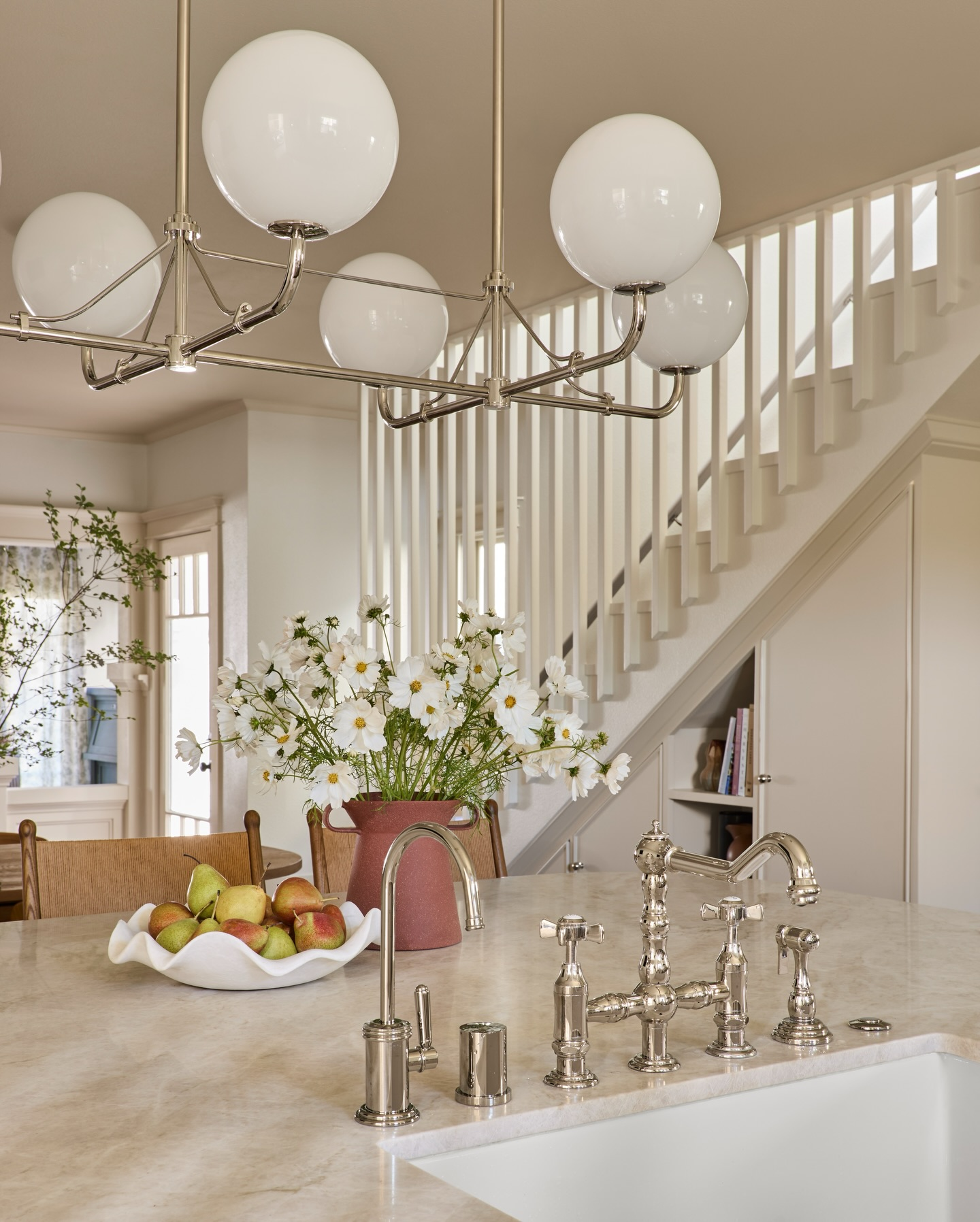
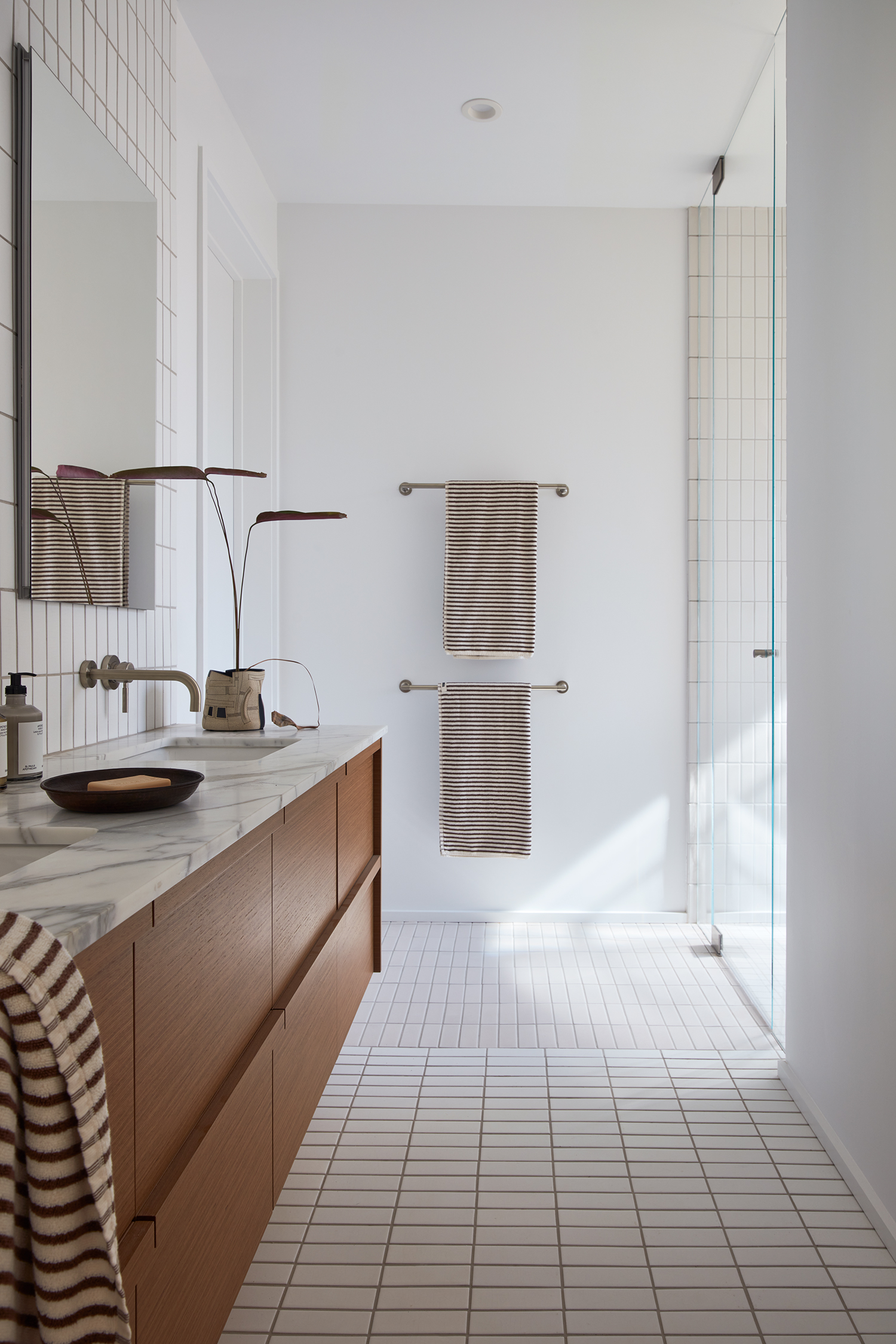
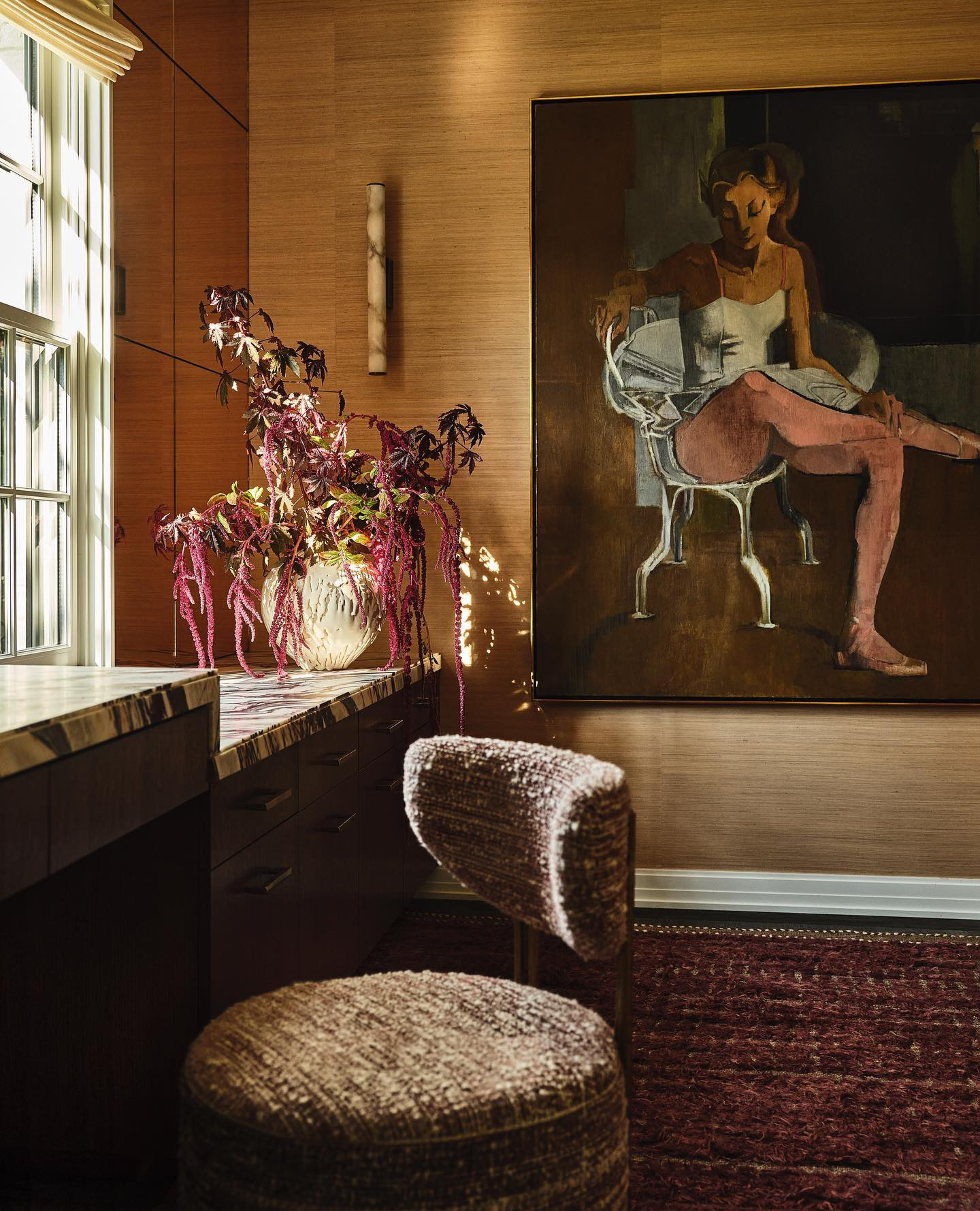
Design by Julie Dixon
This walk-through is not about identifying flaws. It is about understanding the full composition of your home. Designers rarely begin by acting; they begin by observing. When you see the space as a whole, every subsequent decision feels deliberate rather than reactive.
Documenting a short list of areas that require attention can help focus your energy, but the goal is clarity, not volume. Spring cleaning becomes far less overwhelming when guided by perspective.
Edit with Restraint
The distinction between a curated interior and a cluttered one is rarely dramatic. It is usually the result of small, consistent edits.
Over time, even thoughtfully designed homes accumulate pieces that once made sense but no longer align with how the space is used. Decorative objects lose relevance. Furniture placements become habitual rather than intentional. Storage areas quietly expand beyond necessity.
Spring is an ideal moment to edit with discernment. Remove what feels visually distracting. Release duplicates. Reconsider items kept out of obligation rather than enjoyment.
A room that has been thoughtfully reduced almost always feels more elevated than one filled to capacity. Negative space, when intentional, creates a sense of quiet luxury. Surfaces with breathing room allow materials, textures, and light to take precedence.
Decluttering, in this context, is not about minimalism for its own sake. It is about cohesion — ensuring that what remains reflects your present taste and daily routines.
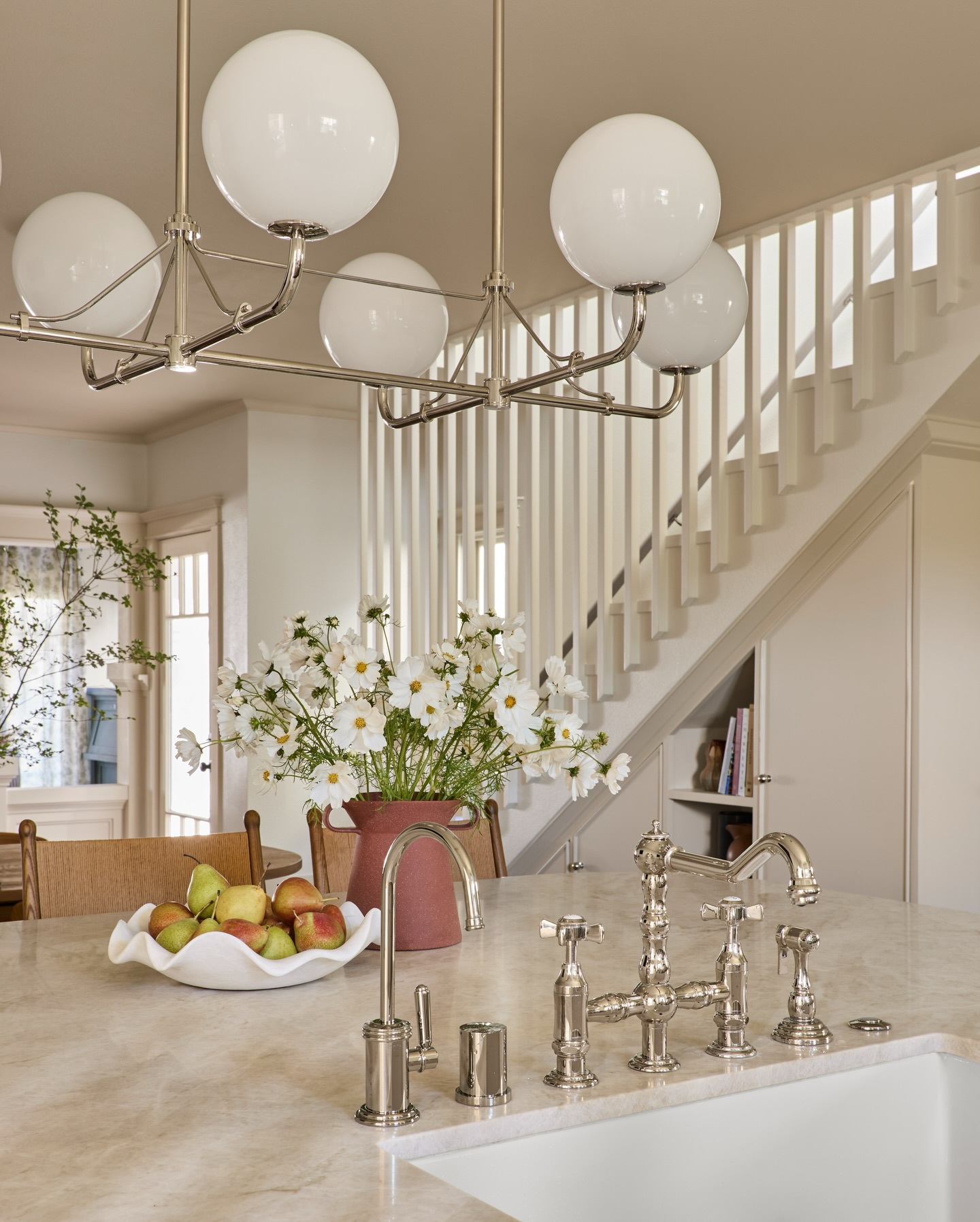
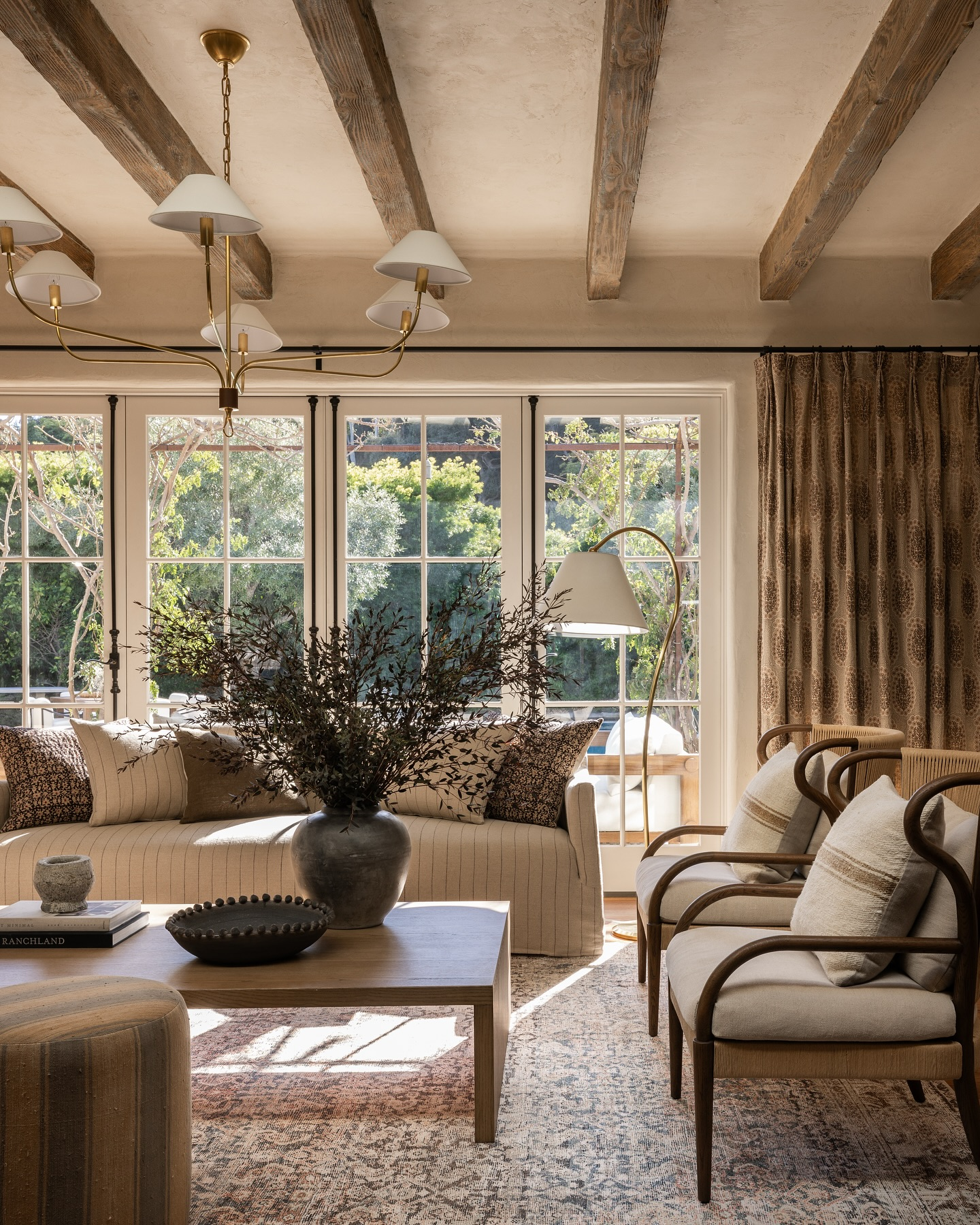
Design by Natalia Avalos Interiors
Clean from Top to Bottom — Attend to the Details
Once unnecessary items have been removed, the deep clean becomes more efficient and far more satisfying.
Work methodically from ceiling to floor in each room. Dust ceiling fans and light fixtures. Clean the tops of cabinetry and tall furniture that quietly collect months of residue. Wipe down walls and baseboards, areas often overlooked yet transformative once refreshed. Wash windows thoroughly, including frames and hardware.
Clean windows, in particular, redefine a room during spring. Natural light is one of the most powerful design elements in any interior. When glass is clear, light moves differently — brighter, sharper, more present.
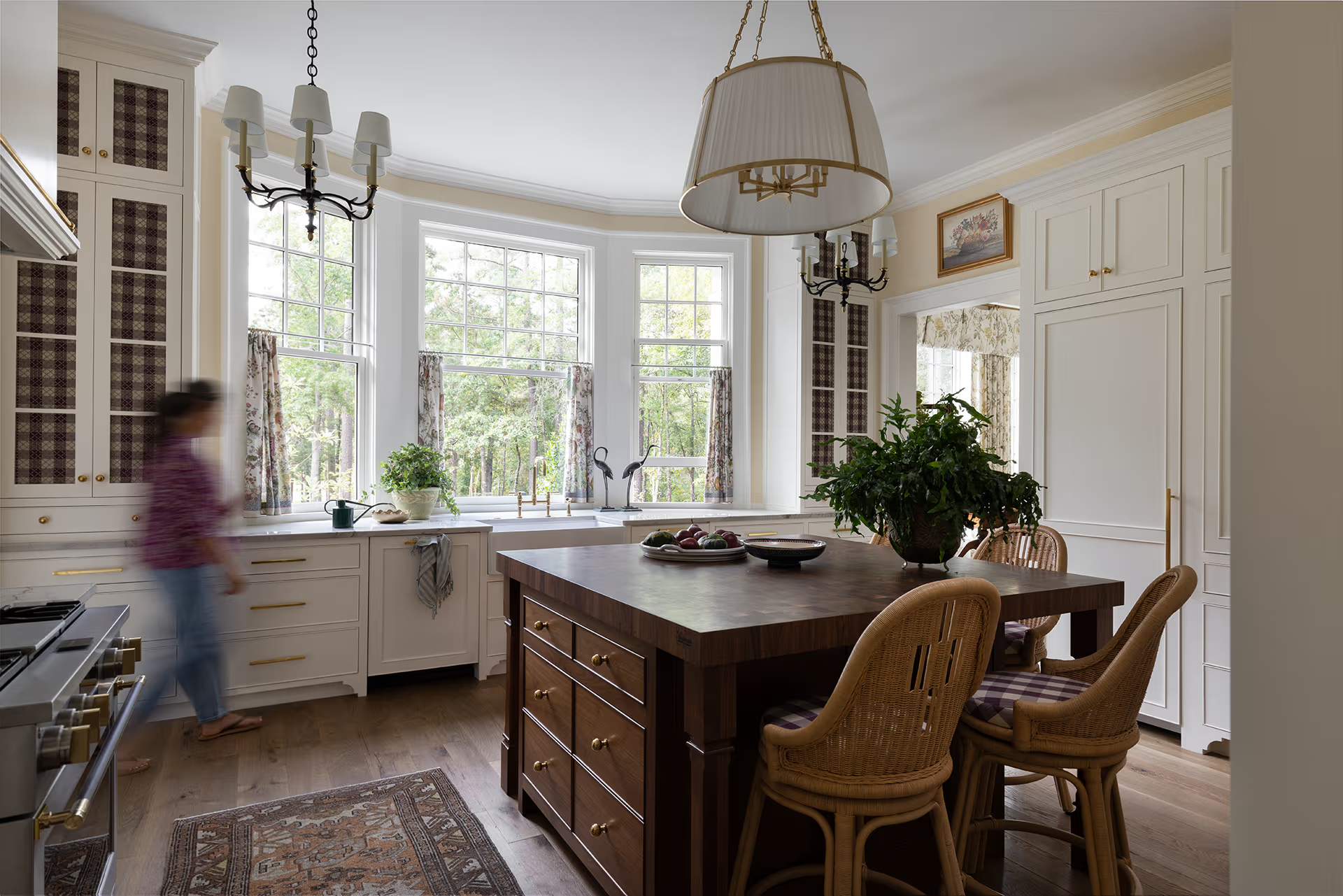
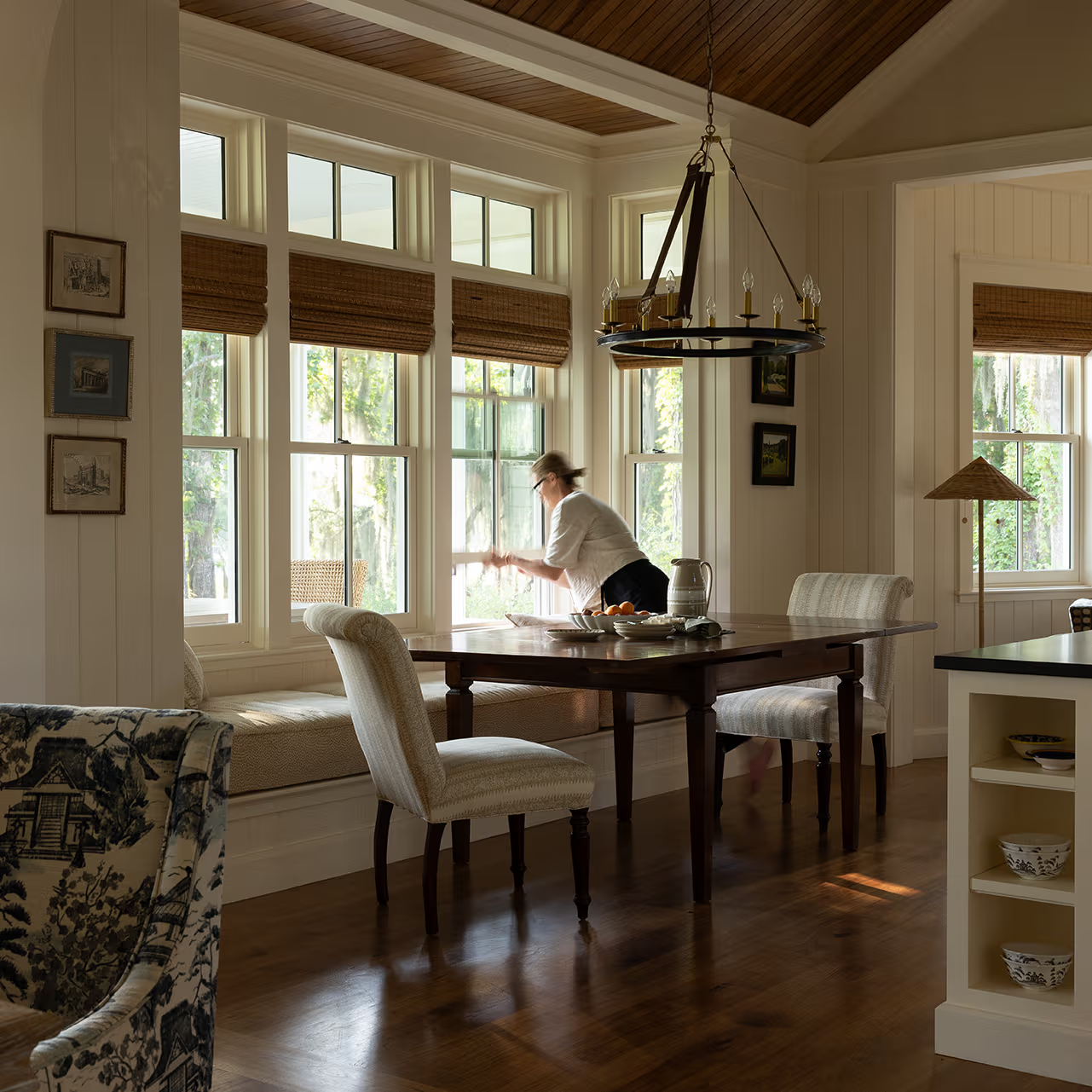
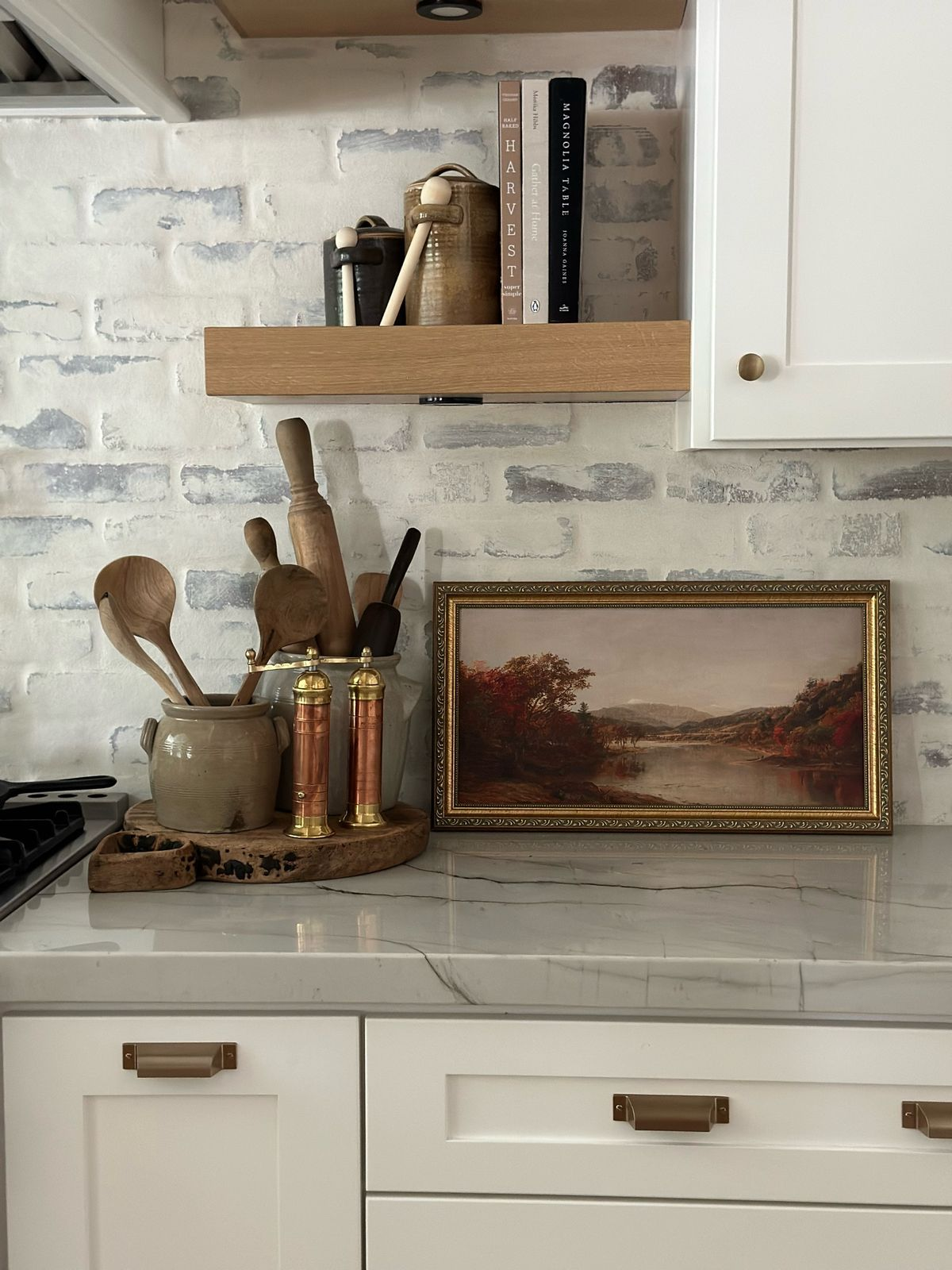
Designs by John Lum Architecture
Upholstery and textiles deserve equal attention. Vacuum sofas and upholstered chairs with care. Steam where appropriate. Wash or refresh curtains, cushion covers, and throws. Fabrics hold dust and stale air in ways that are not immediately visible, and restoring them subtly shifts the entire atmosphere of a room.
Do not neglect the spaces behind and beneath larger furniture. Pull sofas slightly forward. Move beds just enough to clean underneath. Even if these areas are rarely seen, their maintenance contributes to the overall sense of order.
In well-designed homes, refinement is found in these details.
Reconsider the Layout
The act of cleaning naturally requires movement. Use that movement as an opportunity to reassess your layout.
After months of living with a familiar arrangement, it is easy to stop questioning whether it remains the most effective. Spring light enters rooms differently than winter light. Daily routines evolve. Subtle shifts in placement can respond to these changes.
A sofa pulled slightly away from the wall can feel more intentional and grounded. A chair angled toward a window can invite light into moments of pause. A rug repositioned by a few inches can restore proportion and balance.
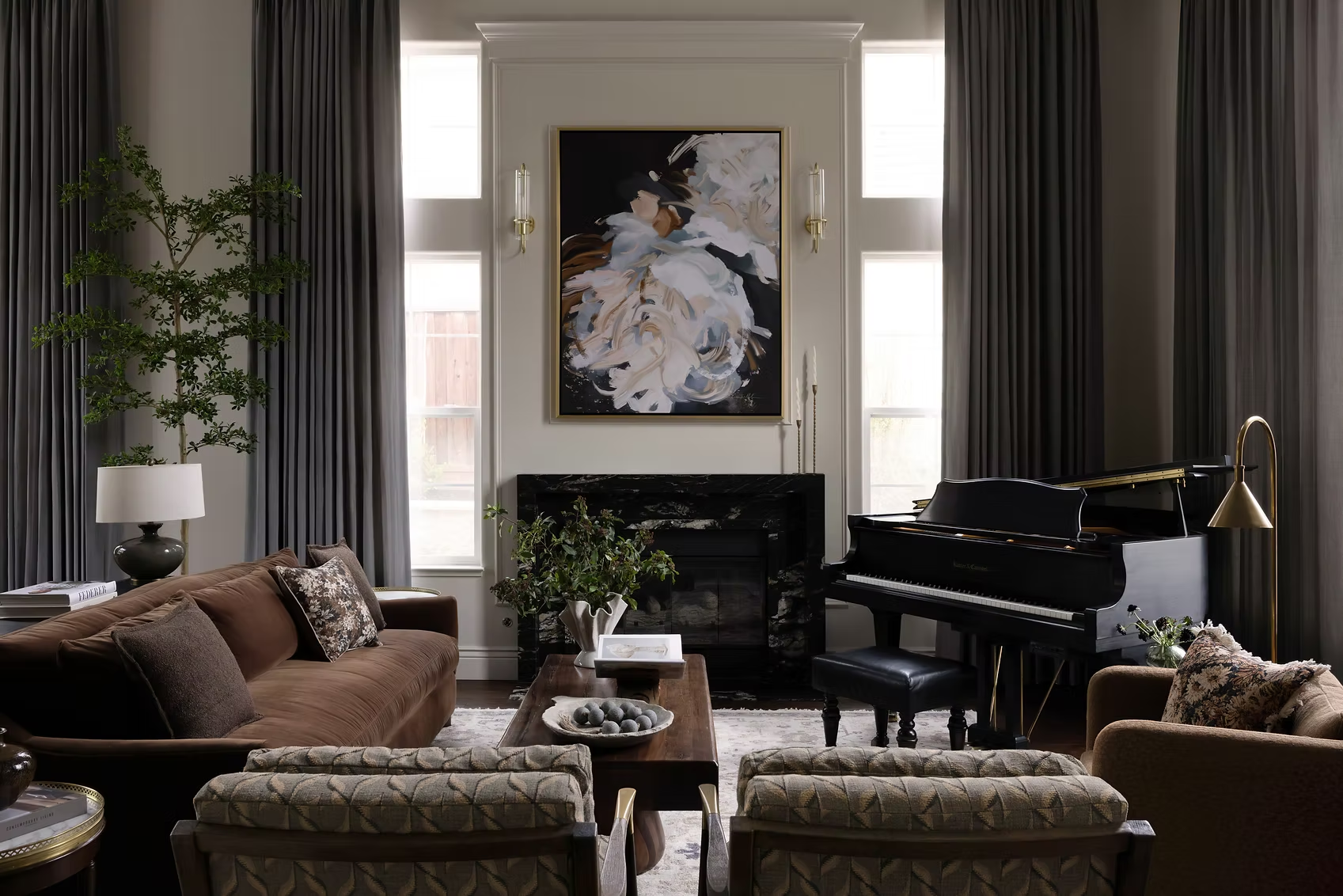
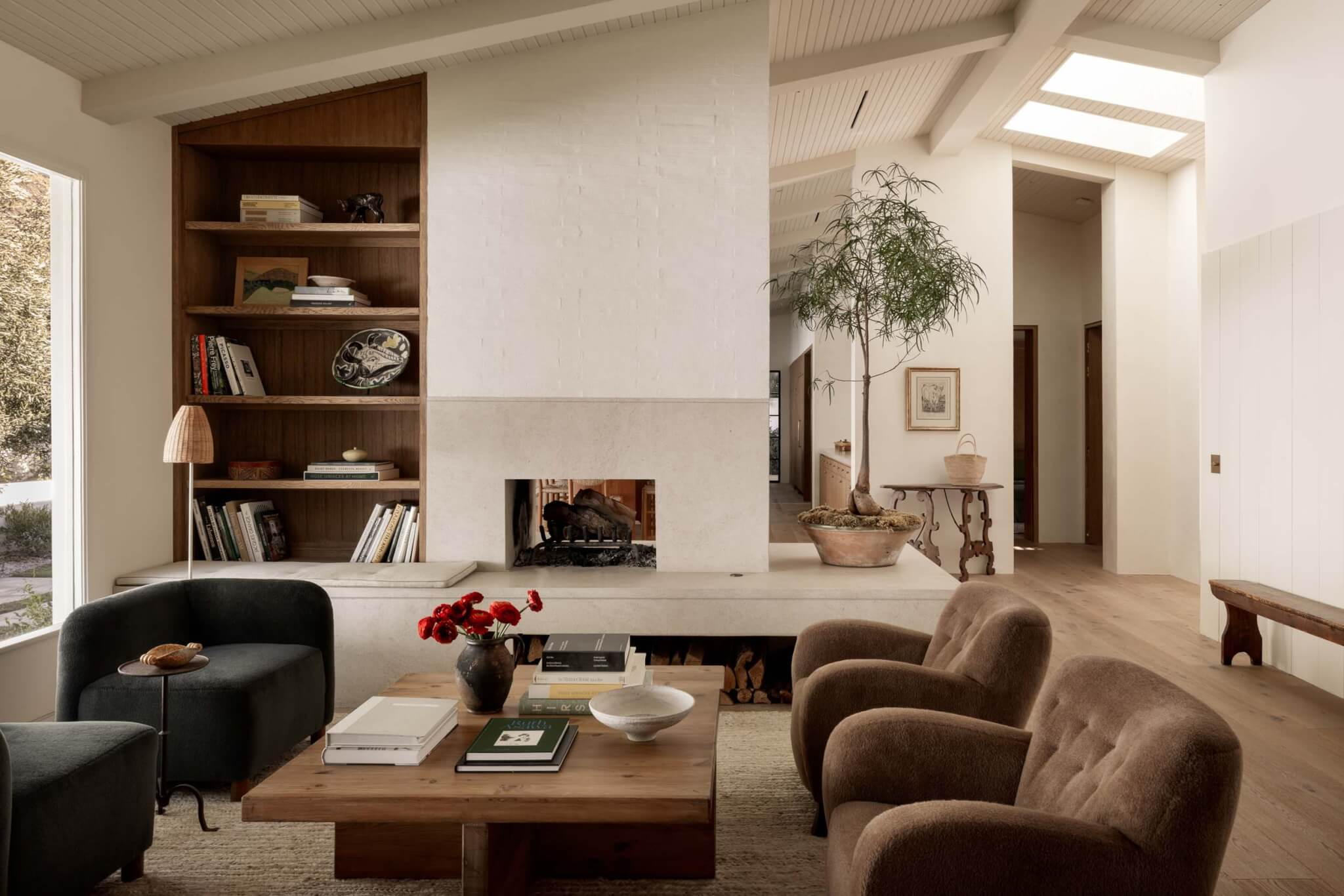
Design by Guy Grassi
Even modest adjustments alter how a space feels. A seasonal home refresh does not require new purchases; it requires awareness of how each element interacts with the whole.
Experiment quietly. Notice how circulation flows. Observe how natural light moves across surfaces throughout the day. The goal is not constant rearrangement but subtle optimization.
Introduce Lighter Textiles and Seasonal Accents
One of the most immediate ways to transition a home into spring is through textiles.
Pack away heavier winter layers — thick knits, velvet cushions, dense weaves — and replace them with breathable materials such as linen and cotton. Introduce softer tones and muted hues that echo the season outside: warm whites, gentle greens, pale blues, understated earth tones.
These changes need not be extensive. Updating a few cushions, replacing a throw, or switching to lighter window panels can recalibrate the mood of an entire room.
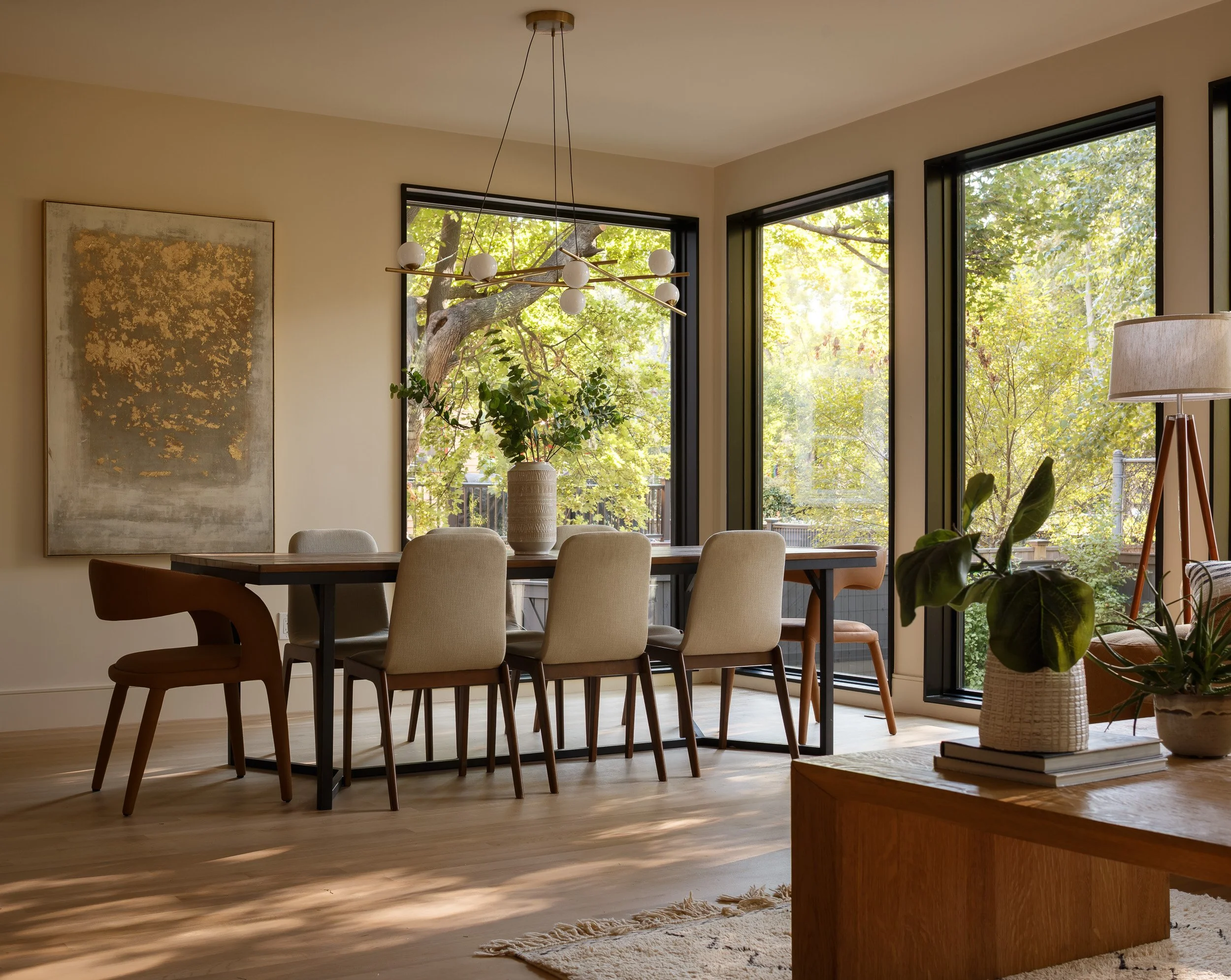
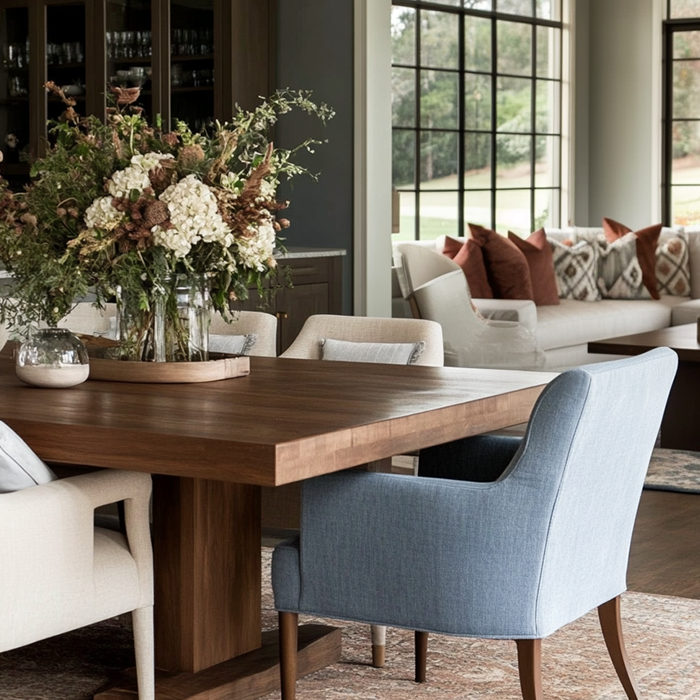
Design by Bernatz Studio
Window treatments deserve particular consideration. If heavy drapery has defined the winter months, consider lighter panels or minimal sheers to allow spring light to become part of the interior composition.
Seasonal accents should remain restrained. A simple arrangement of fresh branches, a bowl of citrus in the kitchen, or a candle with a clean, subtle fragrance can signal the shift in season without overwhelming the space.
Refinement lies in moderation.
Refine Organization Systems
With editing complete and surfaces refreshed, turn attention to the systems that support daily life.
Spring home organization is not about acquiring more storage solutions. It is about alignment.
Frequently used items should be easily accessible and thoughtfully contained. Rarely used pieces should be stored with intention, not layered behind daily essentials. Visible surfaces — countertops, desks, consoles — should feel composed rather than crowded.
Design by Kelsey Leigh Design
Closets benefit from selective reduction and clearer categorization. Pantry shelves often improve with consolidation and the removal of expired or redundant items. Bathroom cabinetry can be simplified by limiting visible products to what is genuinely used.
In elevated interiors, organization is discreet. It supports the space quietly, allowing design elements to remain the focus.
A Final Walk-Through
When the editing, cleaning, and refinements are complete, take one final walk through your home.
The difference is often subtle yet unmistakable. Light moves more freely across surfaces. Rooms feel less burdened. The atmosphere is composed rather than busy.
The true goal of spring cleaning is not a perfectly polished home. It is alignment — a space that reflects how you live now and feels prepared for the season ahead.
When approached with intention, spring cleaning becomes less about maintenance and more about quiet renewal. A measured reset. A return to clarity.
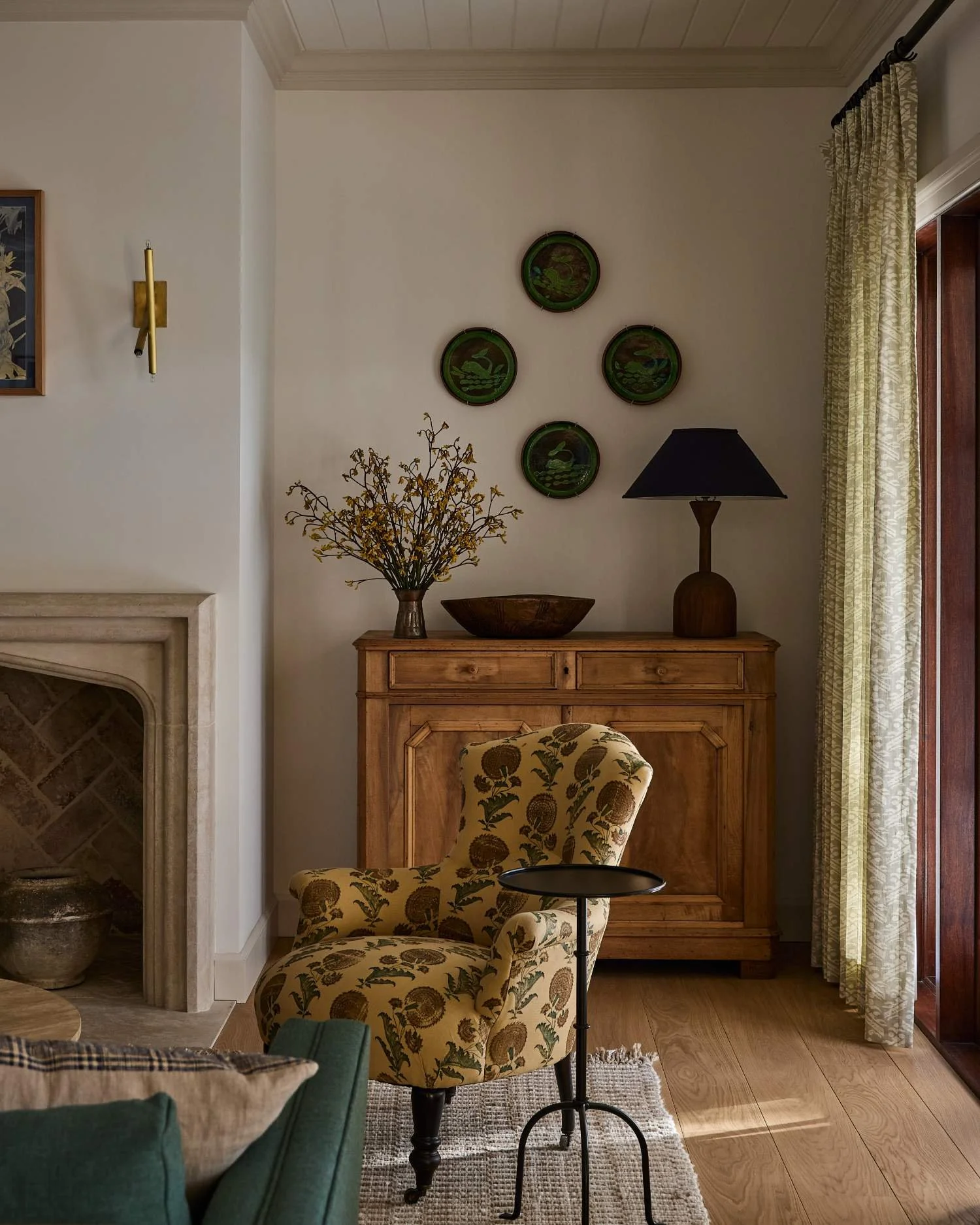
Design by Sam Kachmar Architects
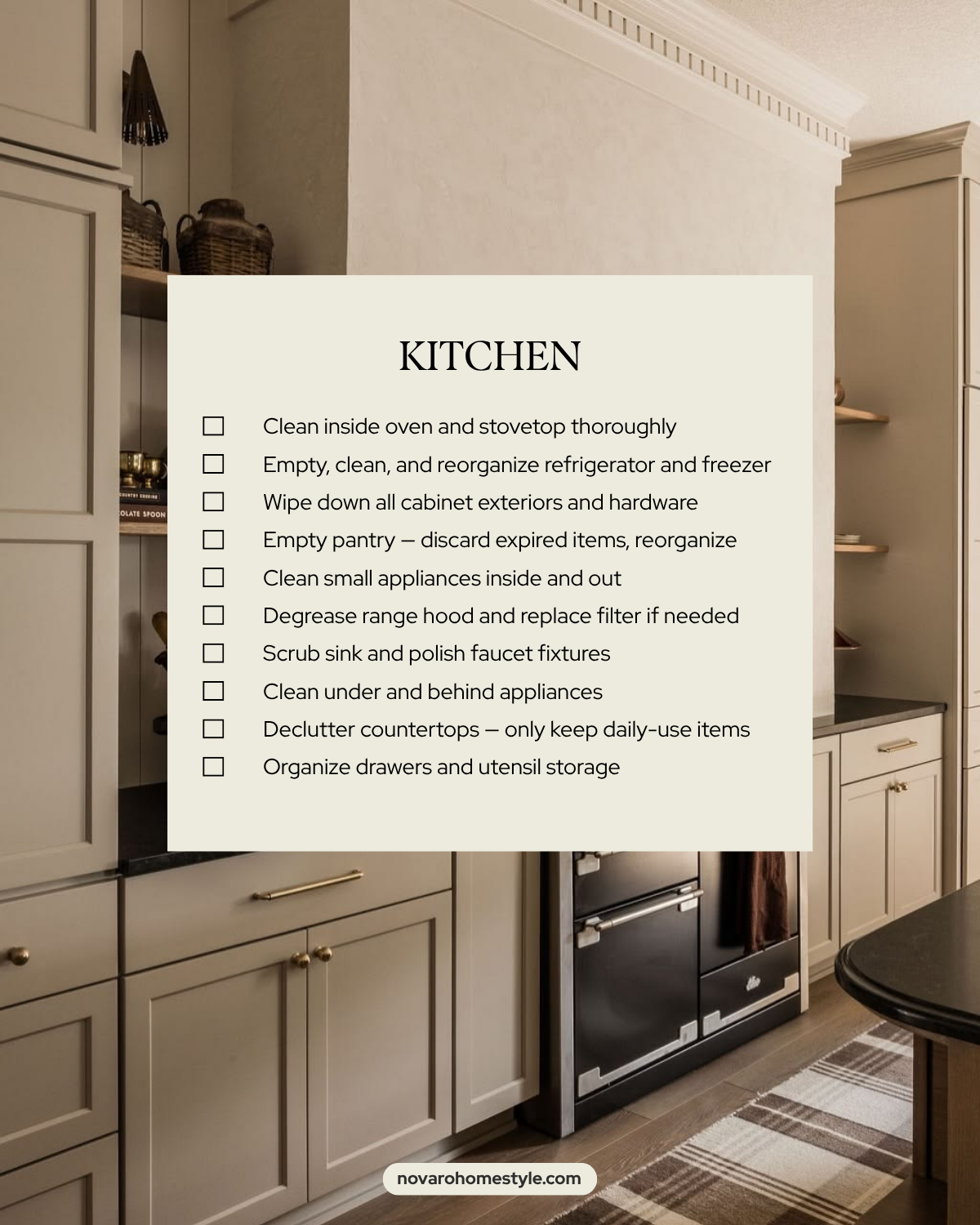
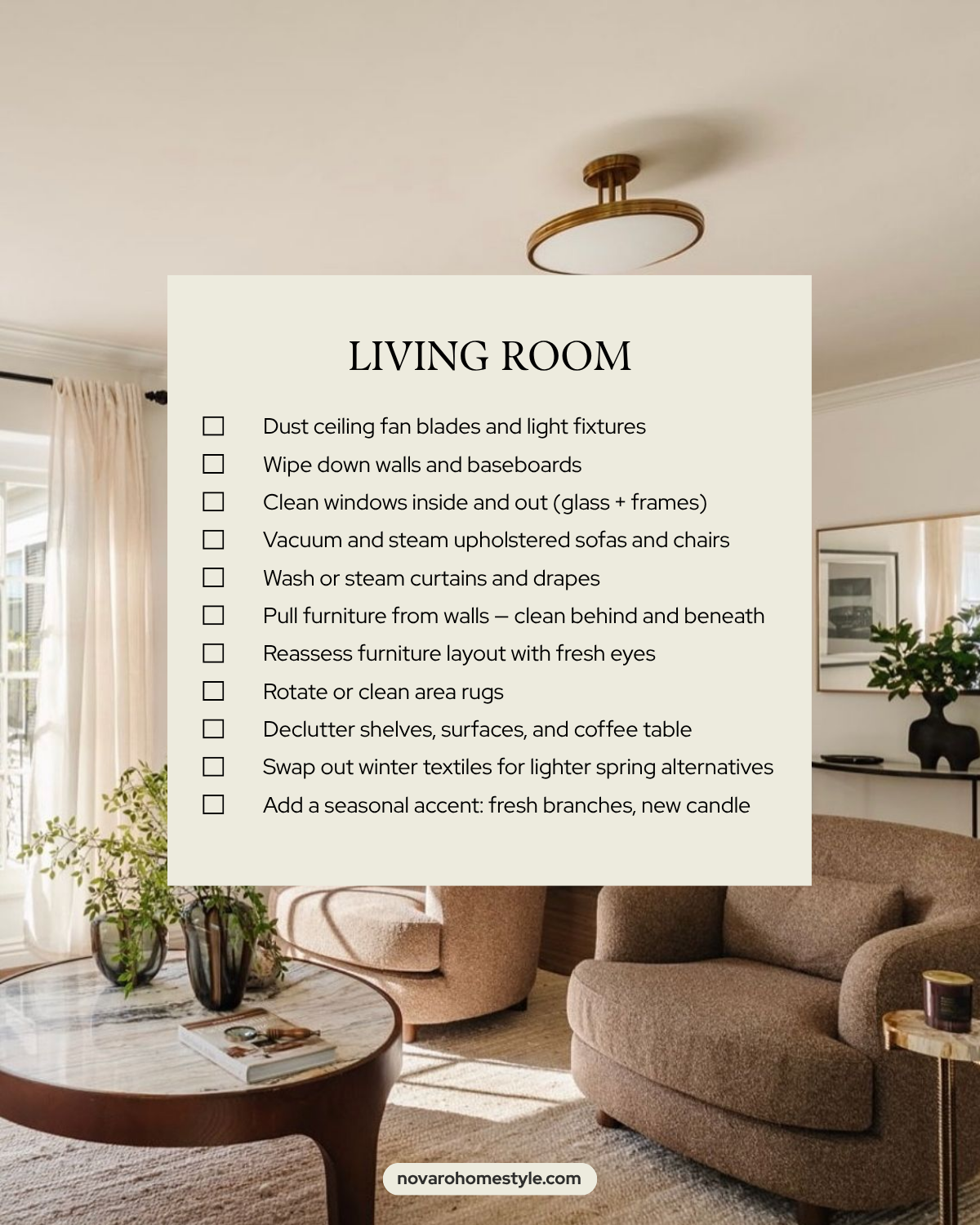
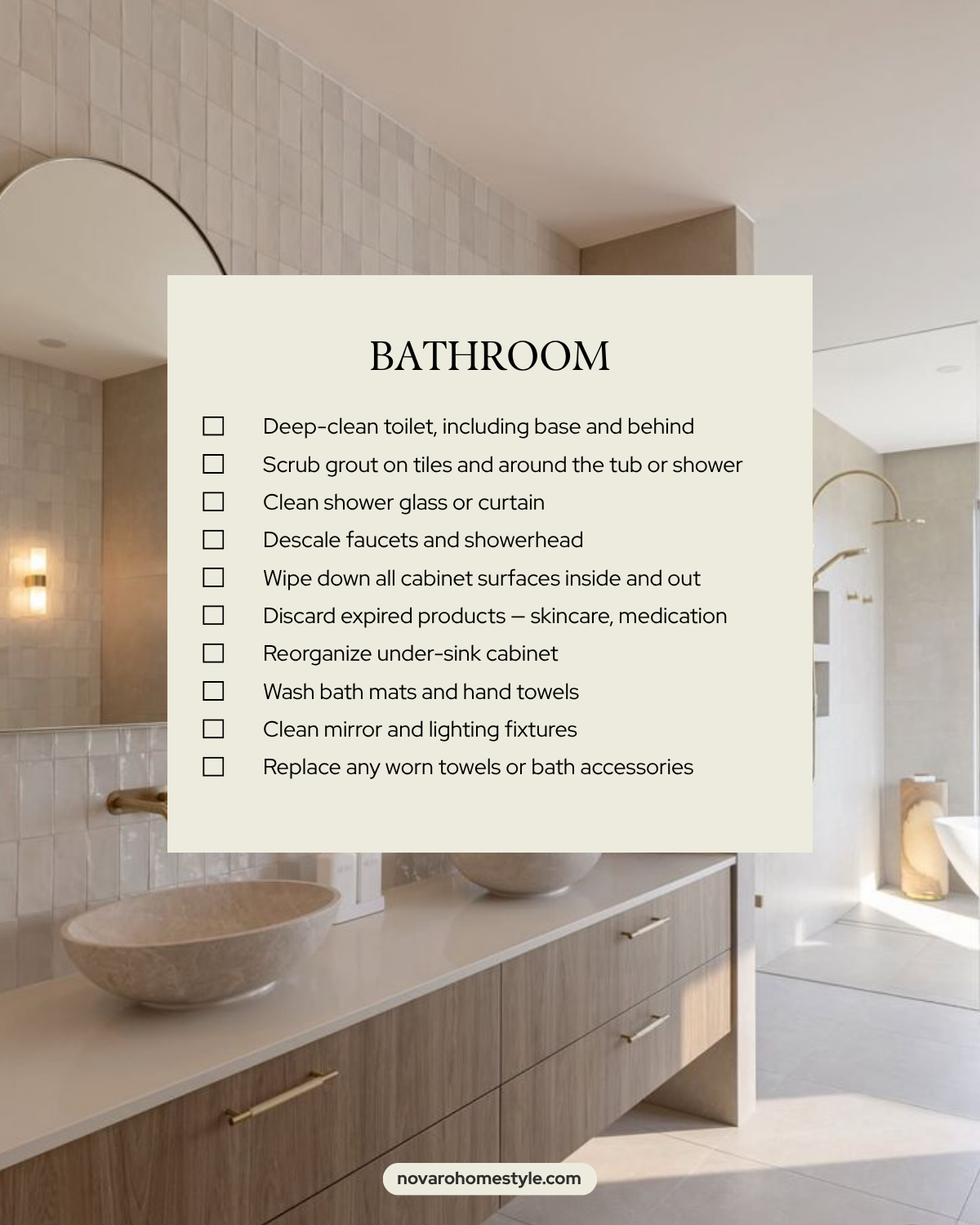
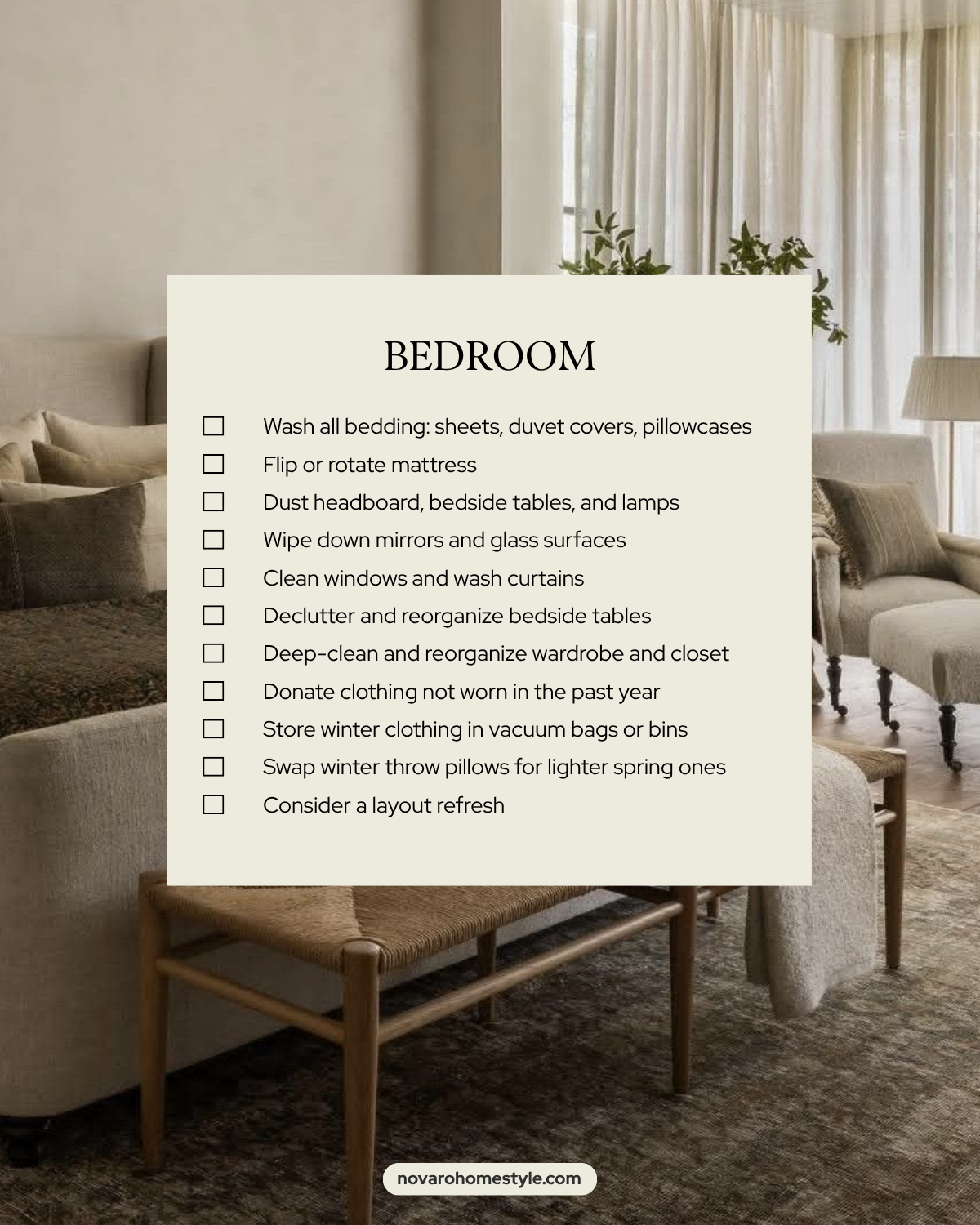
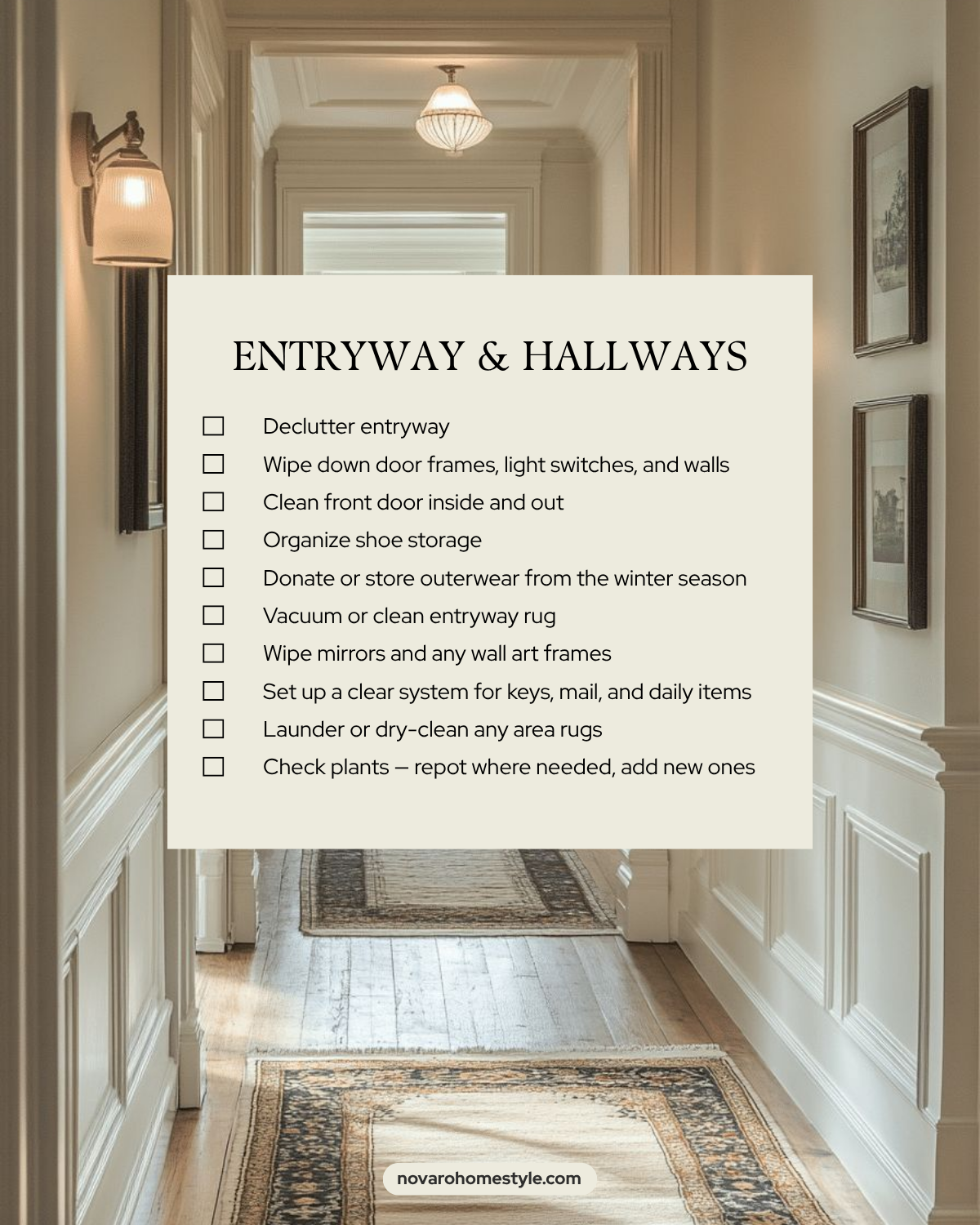
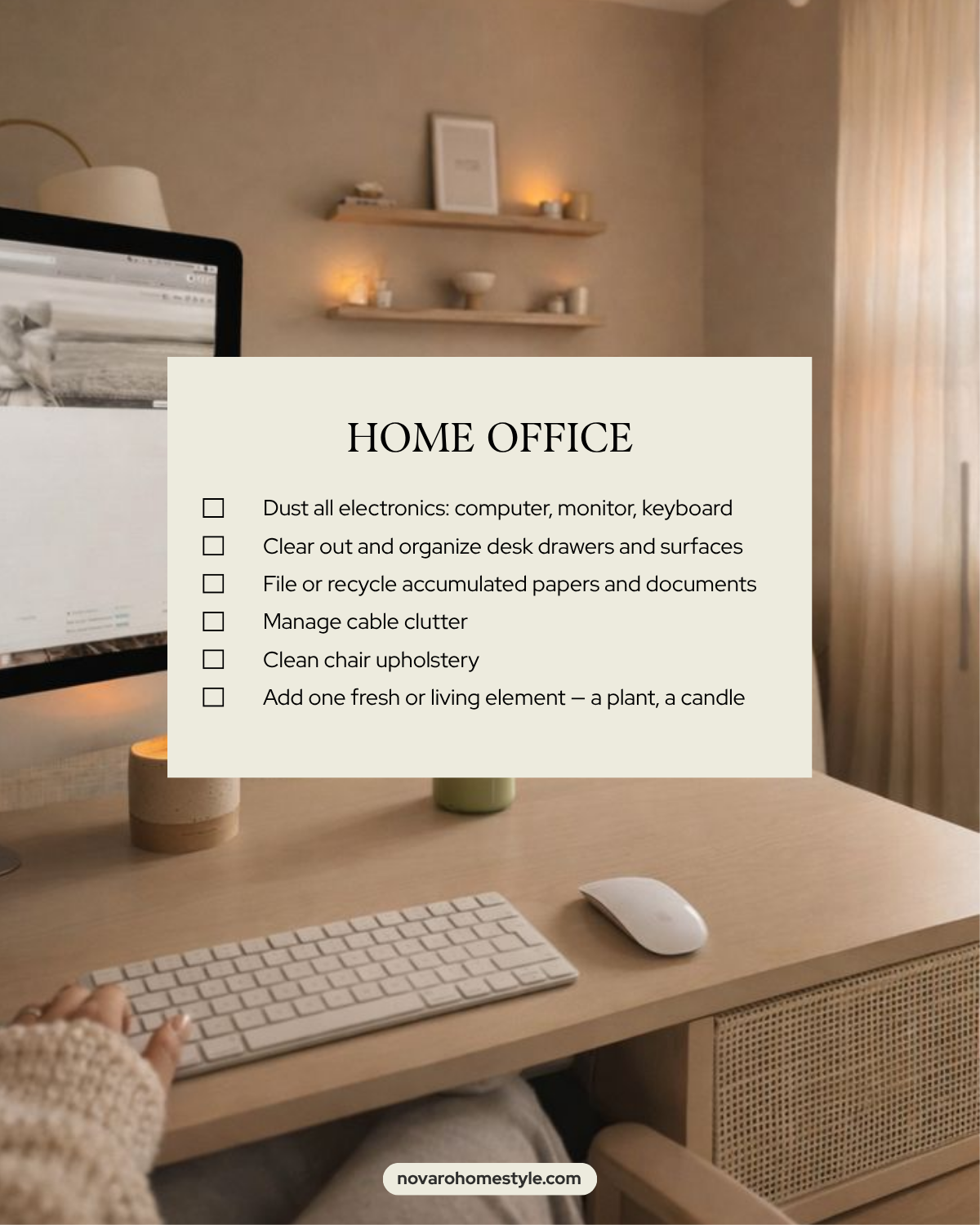
Spring Cleaning Checklist by Novaro Home
For a structured, room-by-room framework to support your seasonal refresh, check out the Novaro Home Spring Cleaning Checklist.
Designed to guide you through editing, deep cleaning, and subtle refinement, it offers practical clarity while preserving the calm, considered tone of your home.
Move through it at your own pace. Allow the process to feel deliberate rather than urgent.
A well-designed home does not demand constant reinvention — only thoughtful care.
Looking for Valentine’s Day decor ideas for every room? Discover how to decorate your bedroom, bathroom, kitchen, and living room with romantic touches that
Looking for Valentine’s Day decor ideas for every room? Discover how to decorate your bedroom, bathroom, kitchen, and living room with romantic touches that
In 2025, Christmas Decor Trends are redefining holiday interiors. From the chic simplicity of velvet bows to the magic of shimmering icicles, these ideas