Blog /The 3–5–7 Rule: When Fewer Objects Feel Right
The 3–5–7 Rule: When Fewer Objects Feel Right
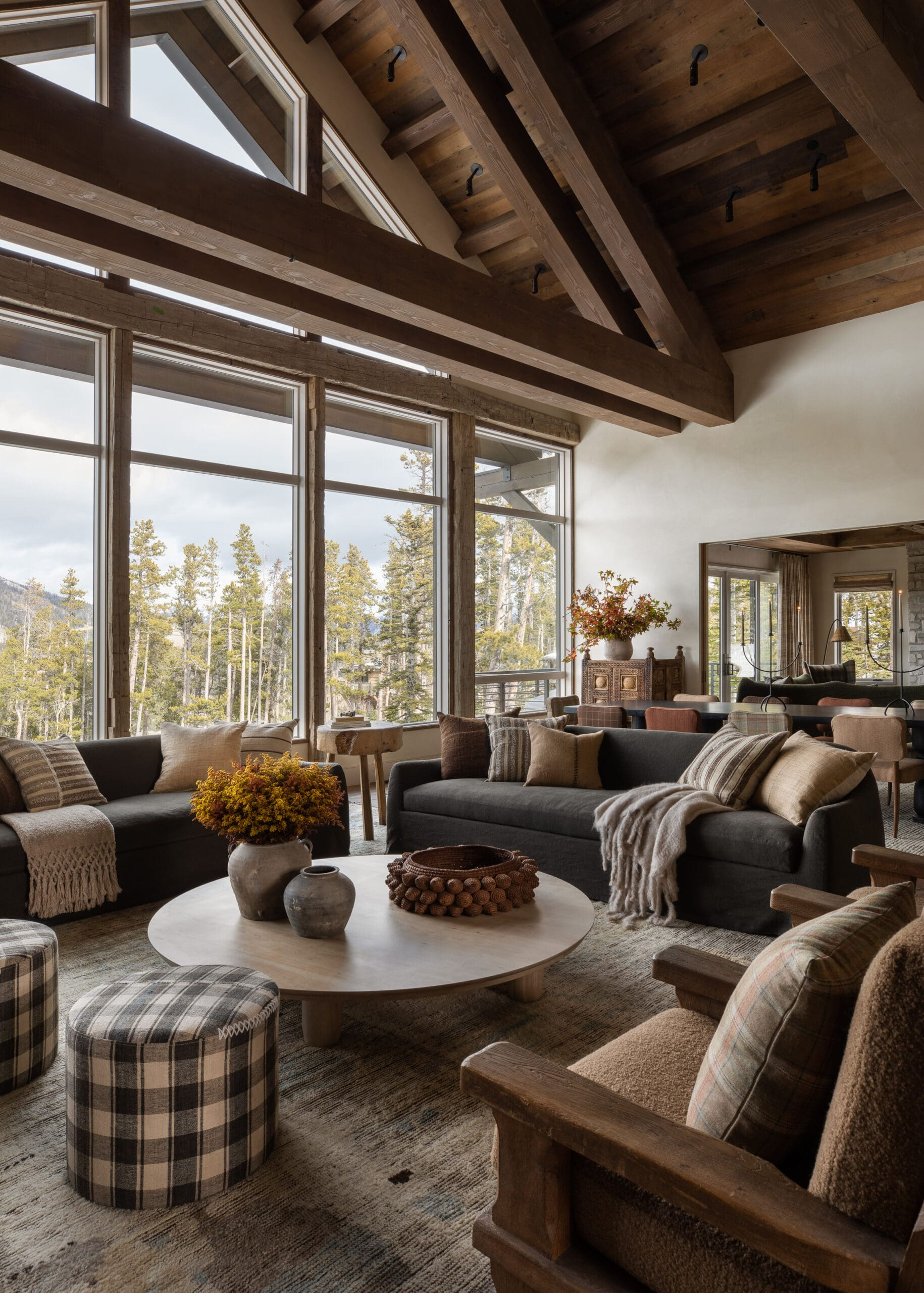
Some interiors feel calm without trying. Shelves appear balanced, tables feel intentional, and decorative objects seem to belong exactly where they are. This sense of ease is rarely accidental. It is often the result of simple principles applied with restraint.
The 3–5–7 rule is one of those principles. Quiet, adaptable, and intuitive, it offers a way to style surfaces that feels thoughtful rather than decorative for its own sake. Instead of asking what to add, it encourages a more useful question: how much is enough?
Understanding the Rule
At its core, the 3–5–7 rule suggests arranging objects in odd-numbered groupings—most commonly three, five, or seven. These groupings feel visually balanced without being rigid, structured without appearing formal.
Even-numbered arrangements tend to split a surface evenly, creating symmetry that can feel static. Odd numbers introduce a gentle imbalance. The eye moves through the composition instead of stopping immediately, which gives the arrangement depth and a more natural rhythm.
This is not about decoration trends or formulas. It is about how we visually process space.
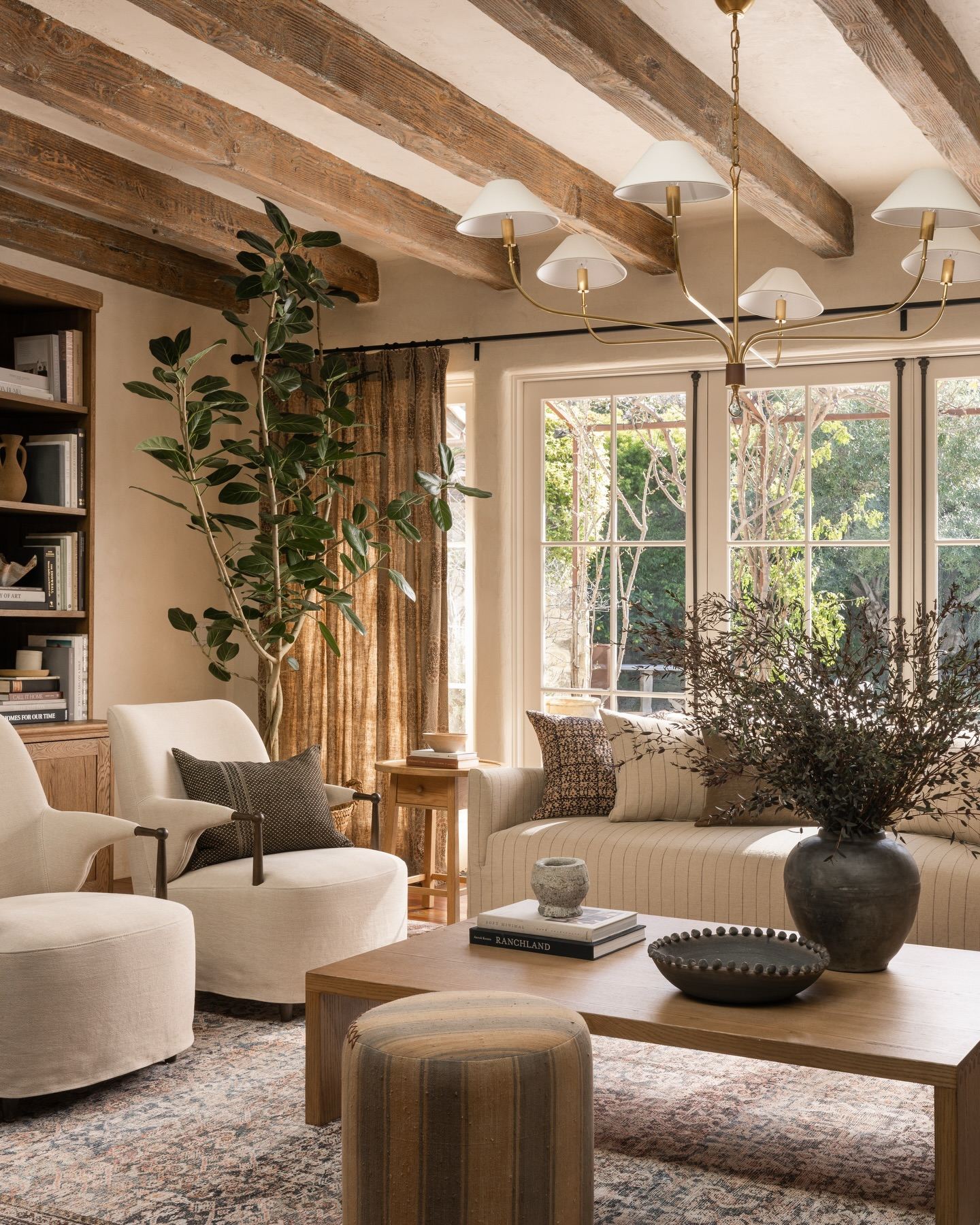
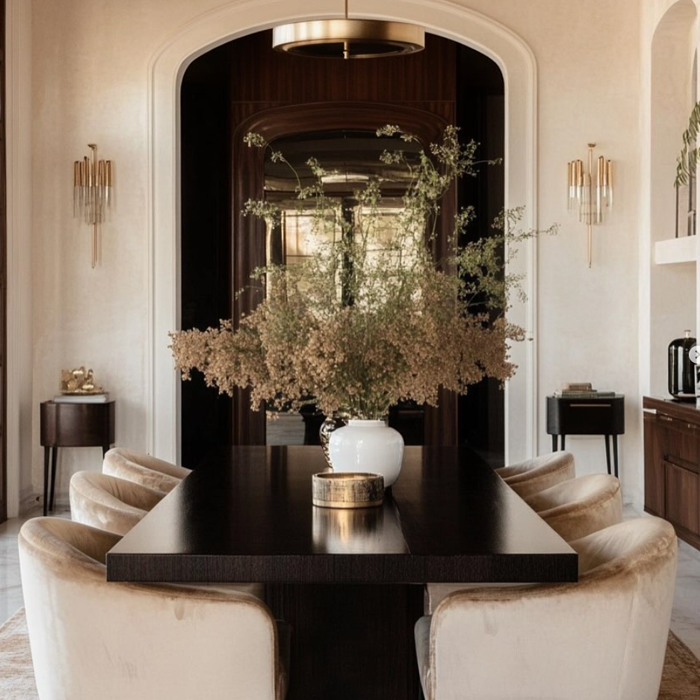
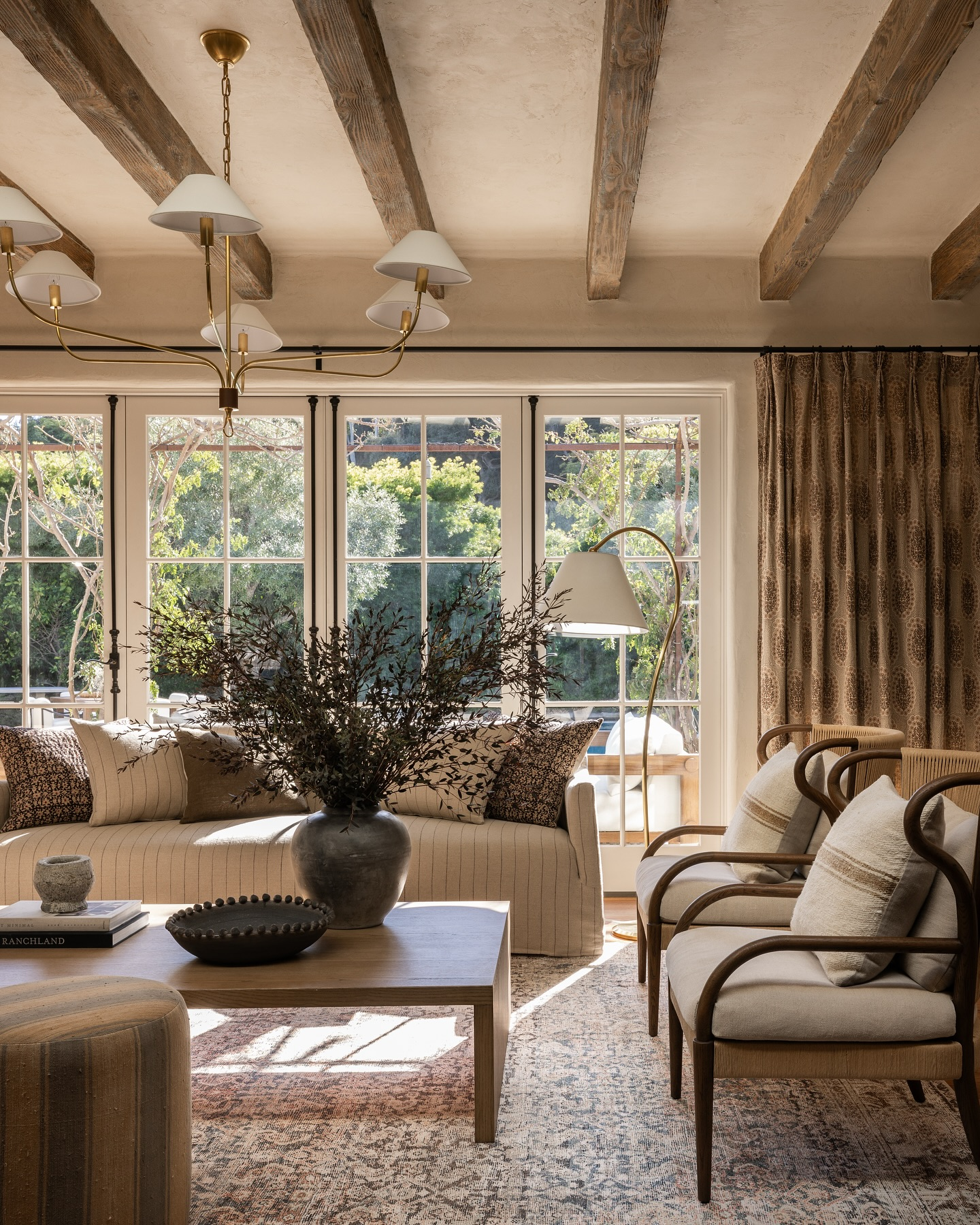
Design by Sheri Negri
Why Odd Numbers Feel More Natural
At its core, the 3–5–7 rule suggests arranging objects in odd-numbered groupings—most commonly three, five, or seven. These groupings feel visually balanced without being rigid, structured without appearing formal.
Even-numbered arrangements tend to split a surface evenly, creating symmetry that can feel static. Odd numbers introduce a gentle imbalance. The eye moves through the composition instead of stopping immediately, which gives the arrangement depth and a more natural rhythm.
This is not about decoration trends or formulas. It is about how we visually process space.
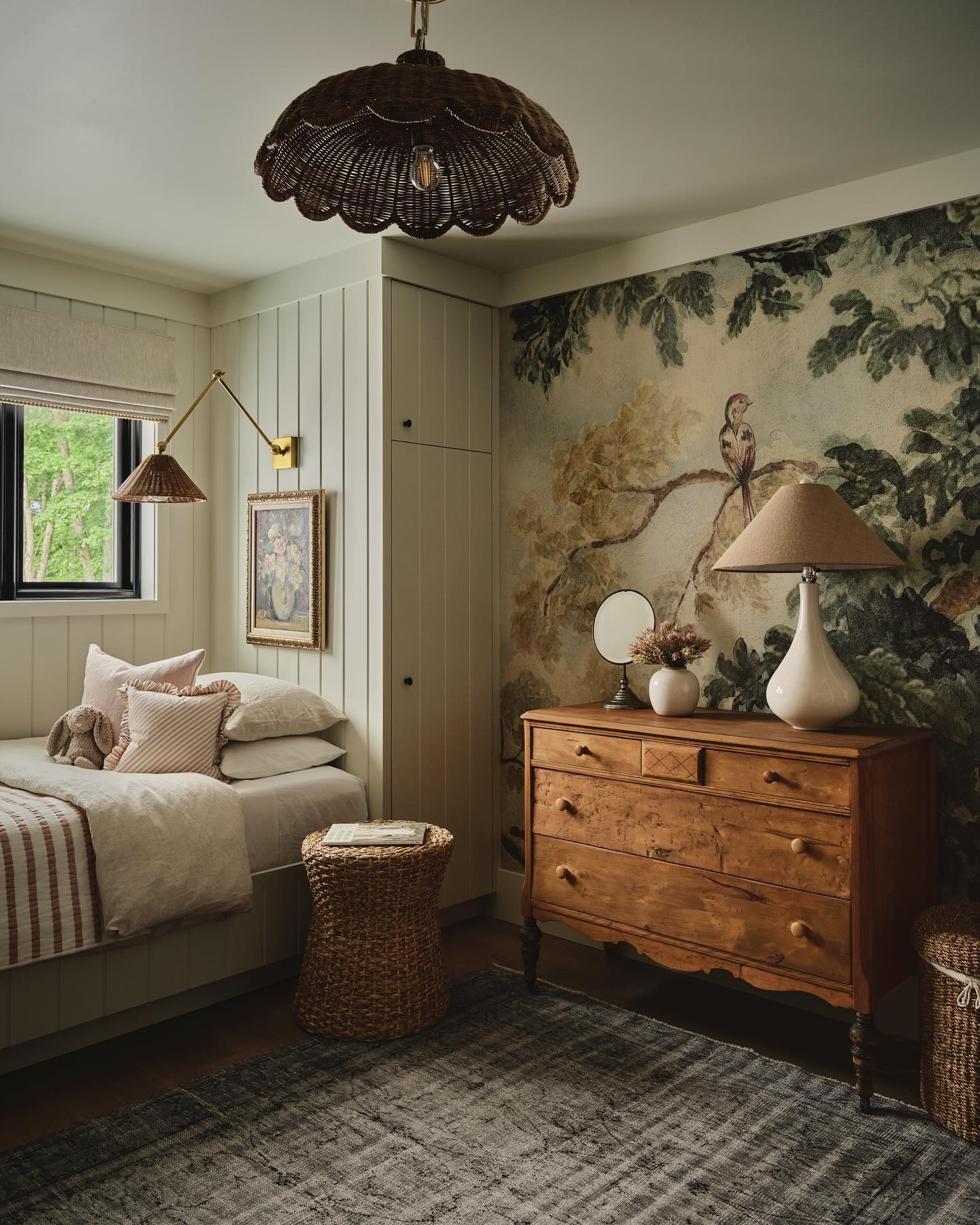
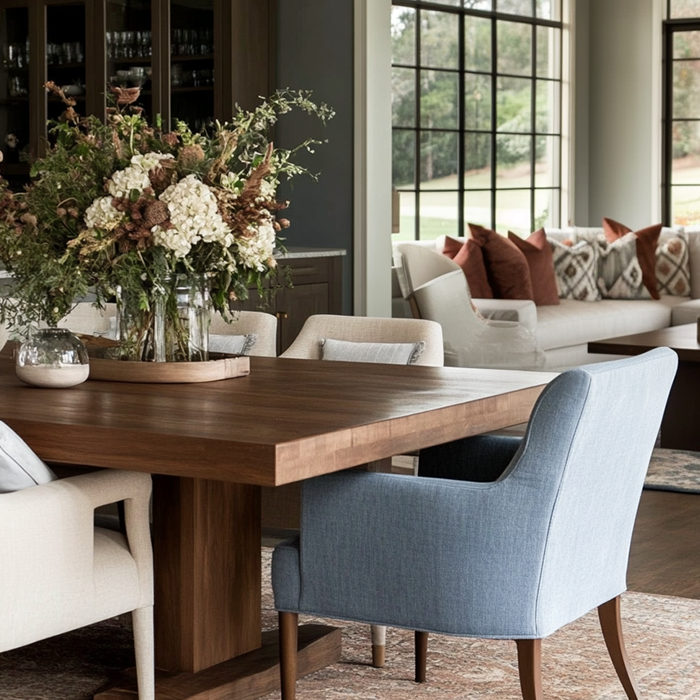
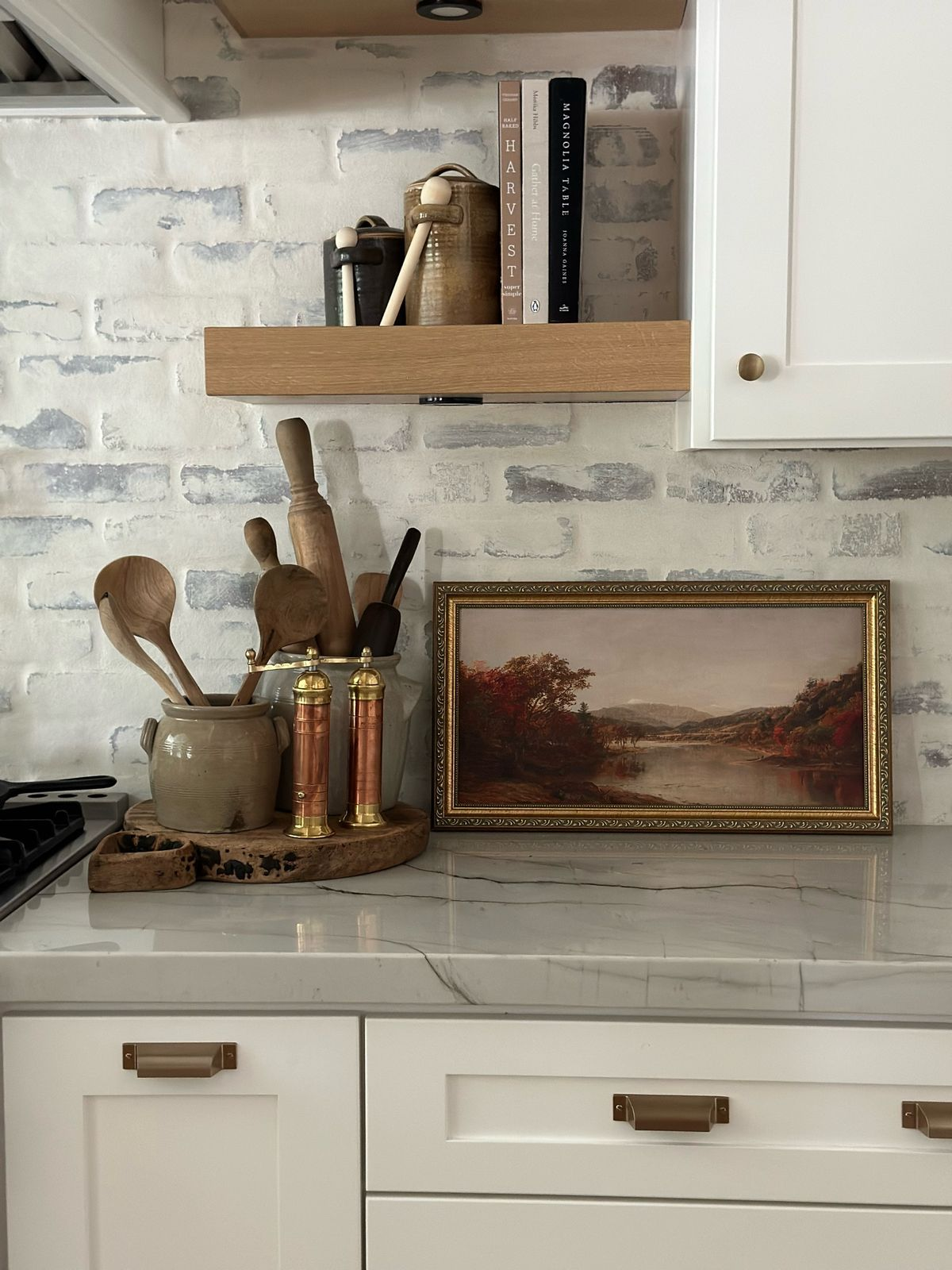
Design by Rosen+Co Design Studio
Why It Works
Odd-numbered groupings create relationships between objects. Rather than presenting everything at once, they encourage the eye to travel—connecting height, shape, and texture along the way.
A successful grouping often forms an invisible structure: a loose triangle, a staggered line, or a layered cluster. These shapes feel intuitive, even when they are not consciously noticed. The result is a surface that feels composed rather than assembled.
Importantly, the rule also creates limits. By defining a range—three, five, or seven—it helps prevent both under-styling and excess.
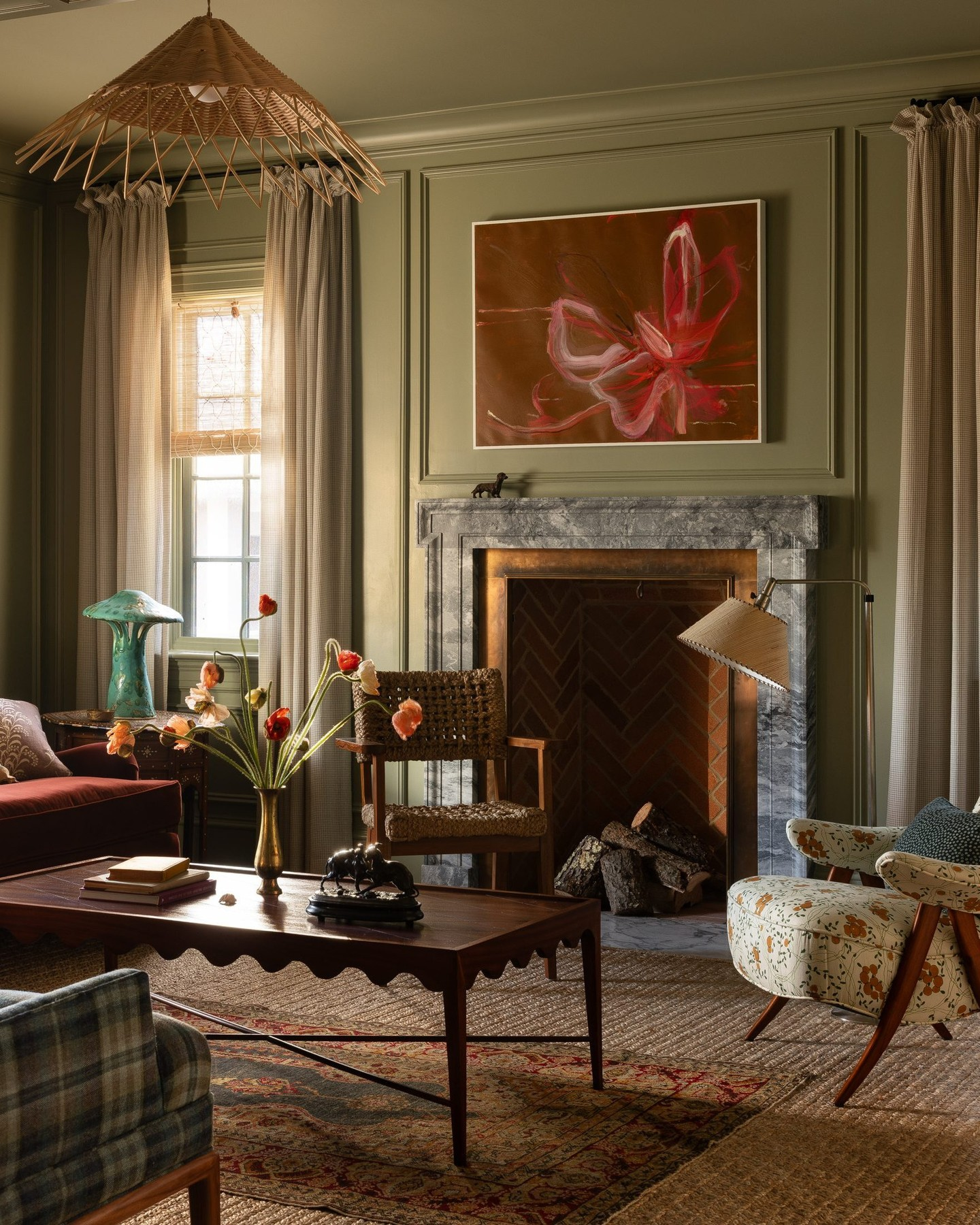
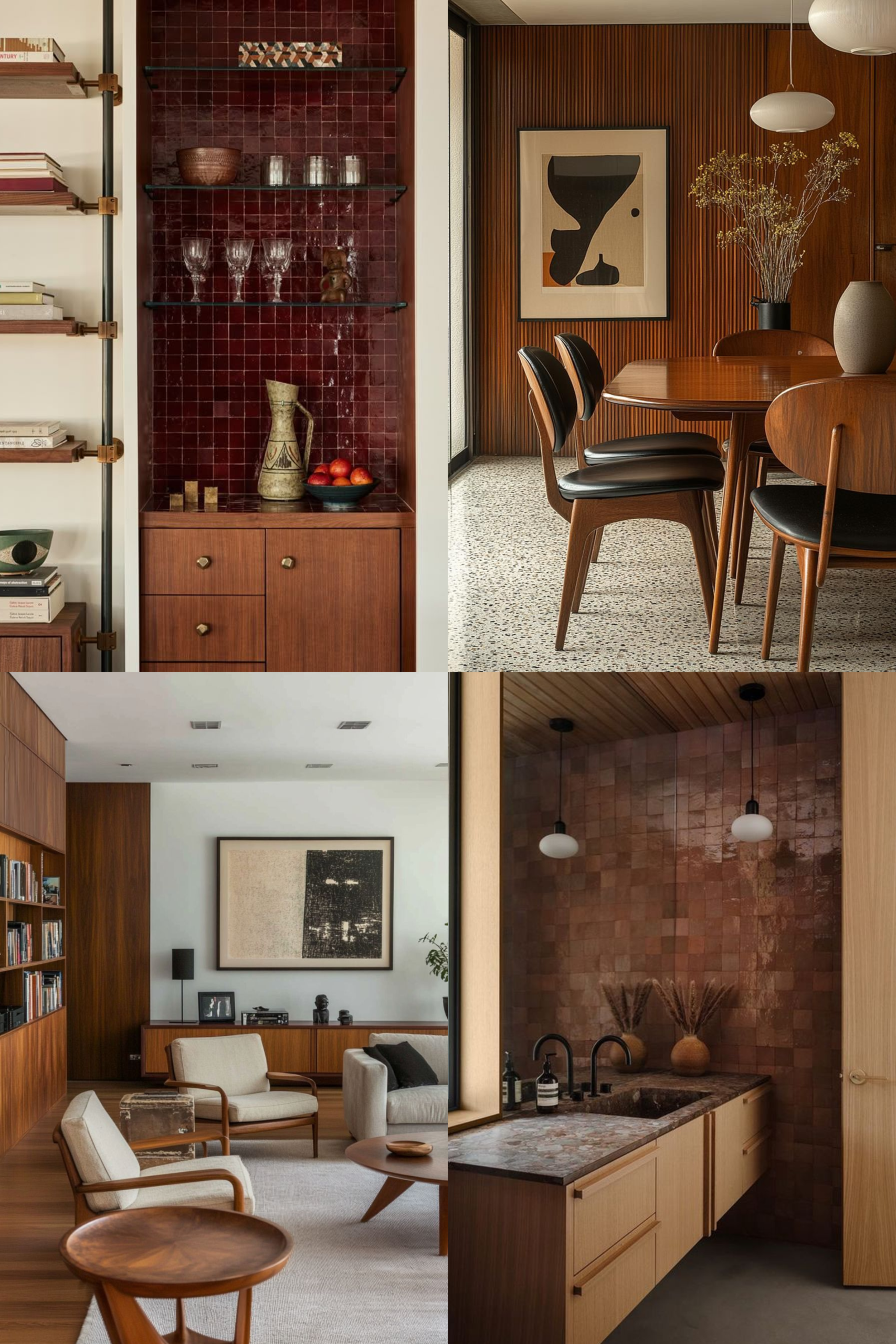
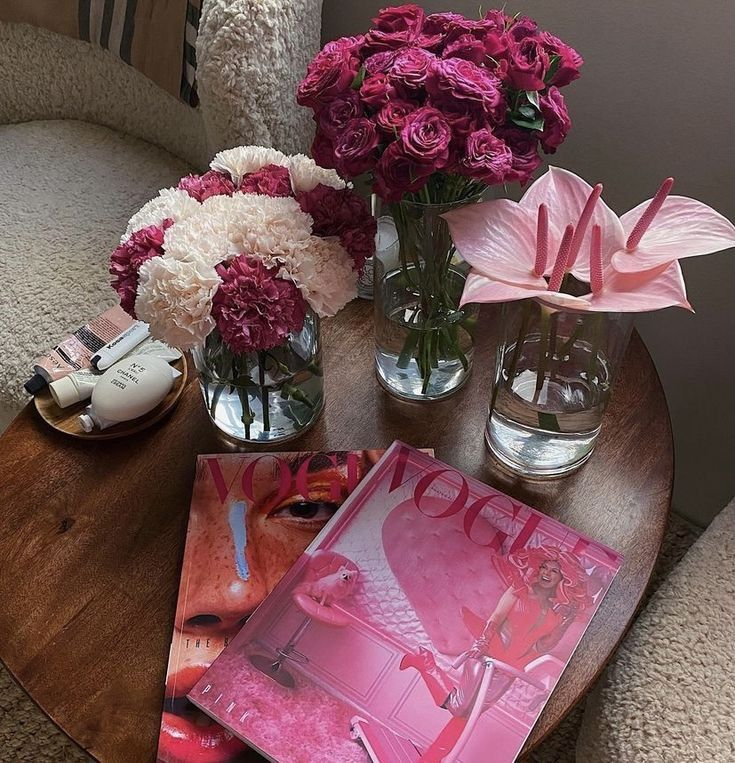
Designs by Blanc Marine Intérieurs
Working with Groups of Three
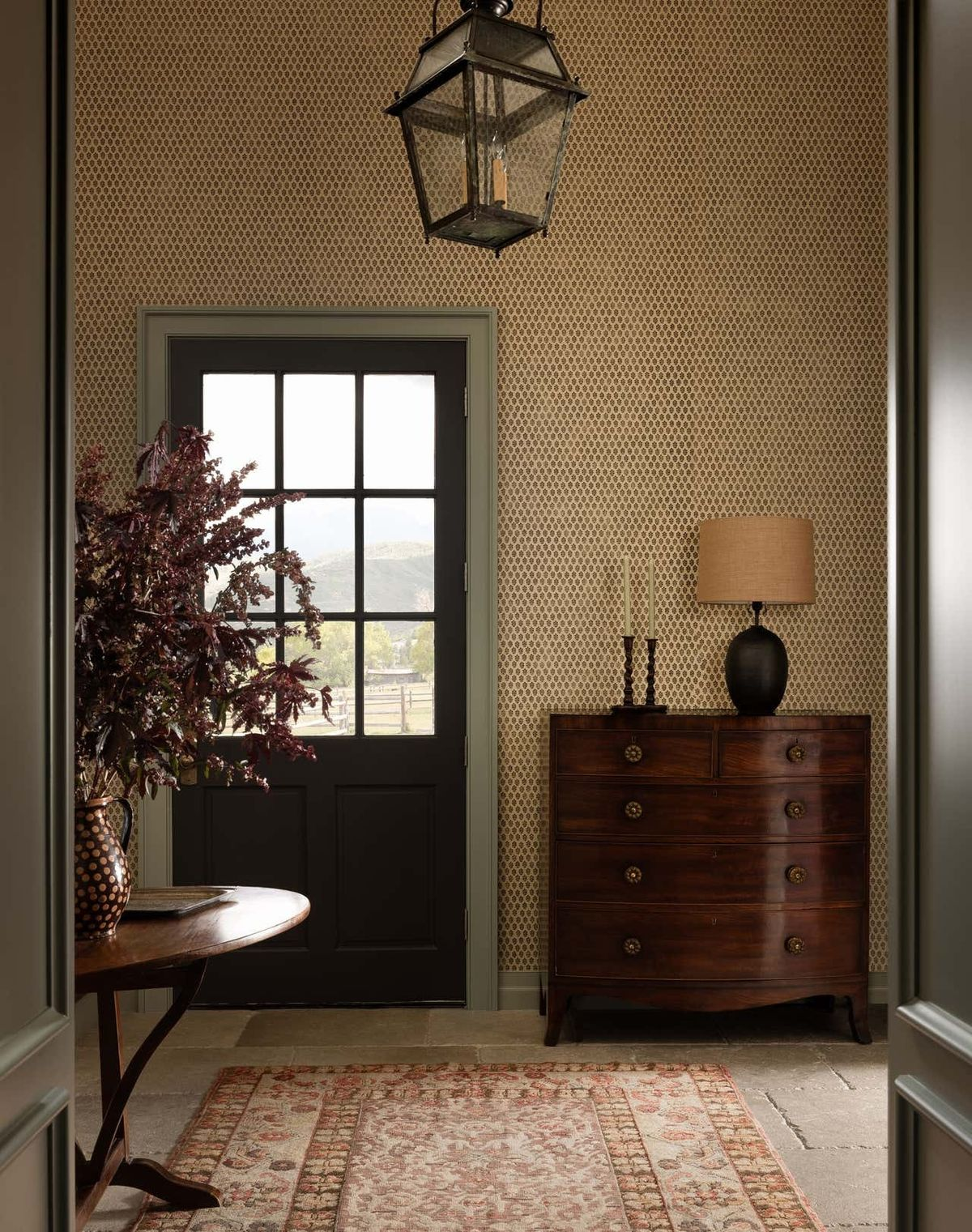
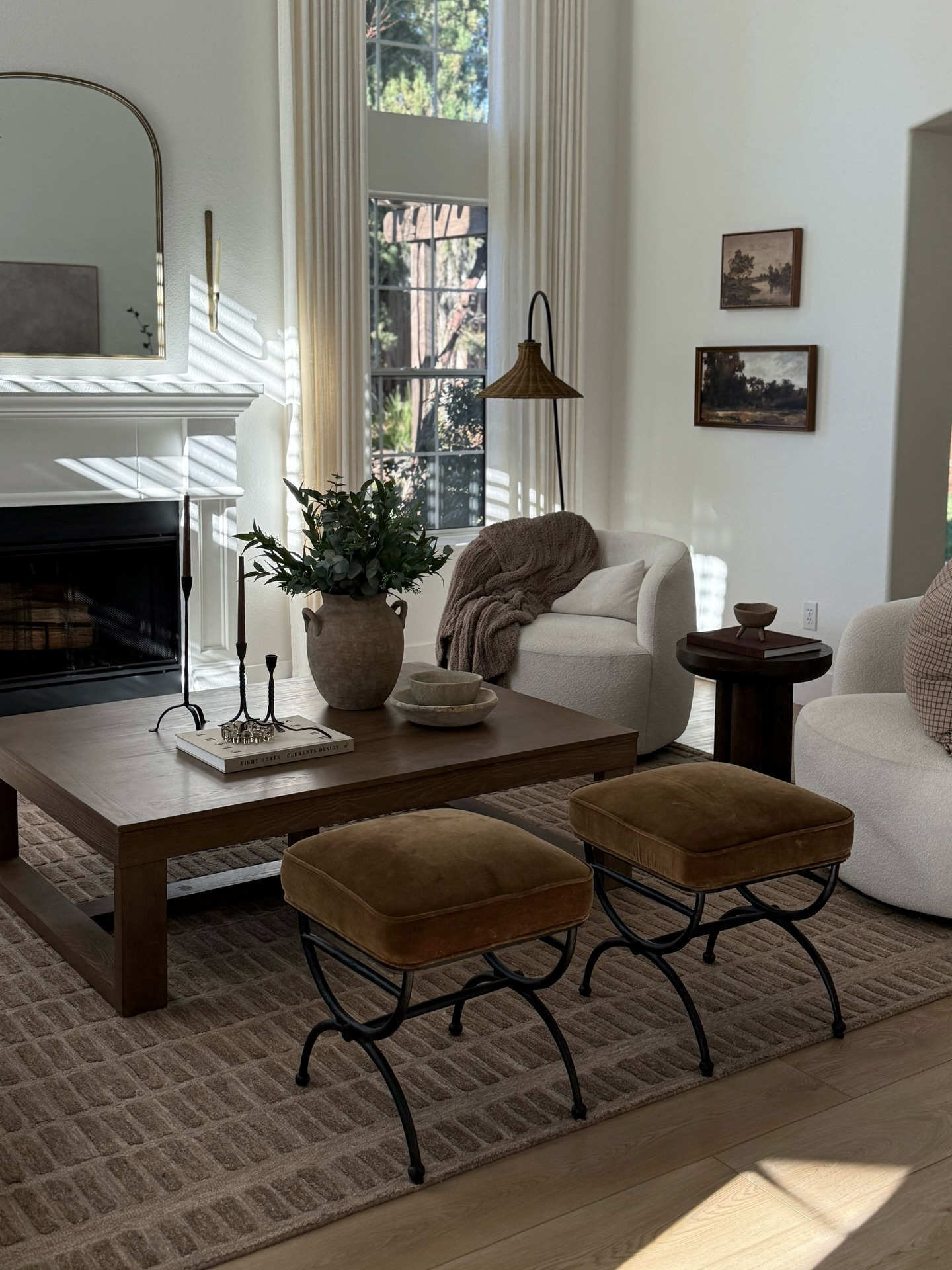
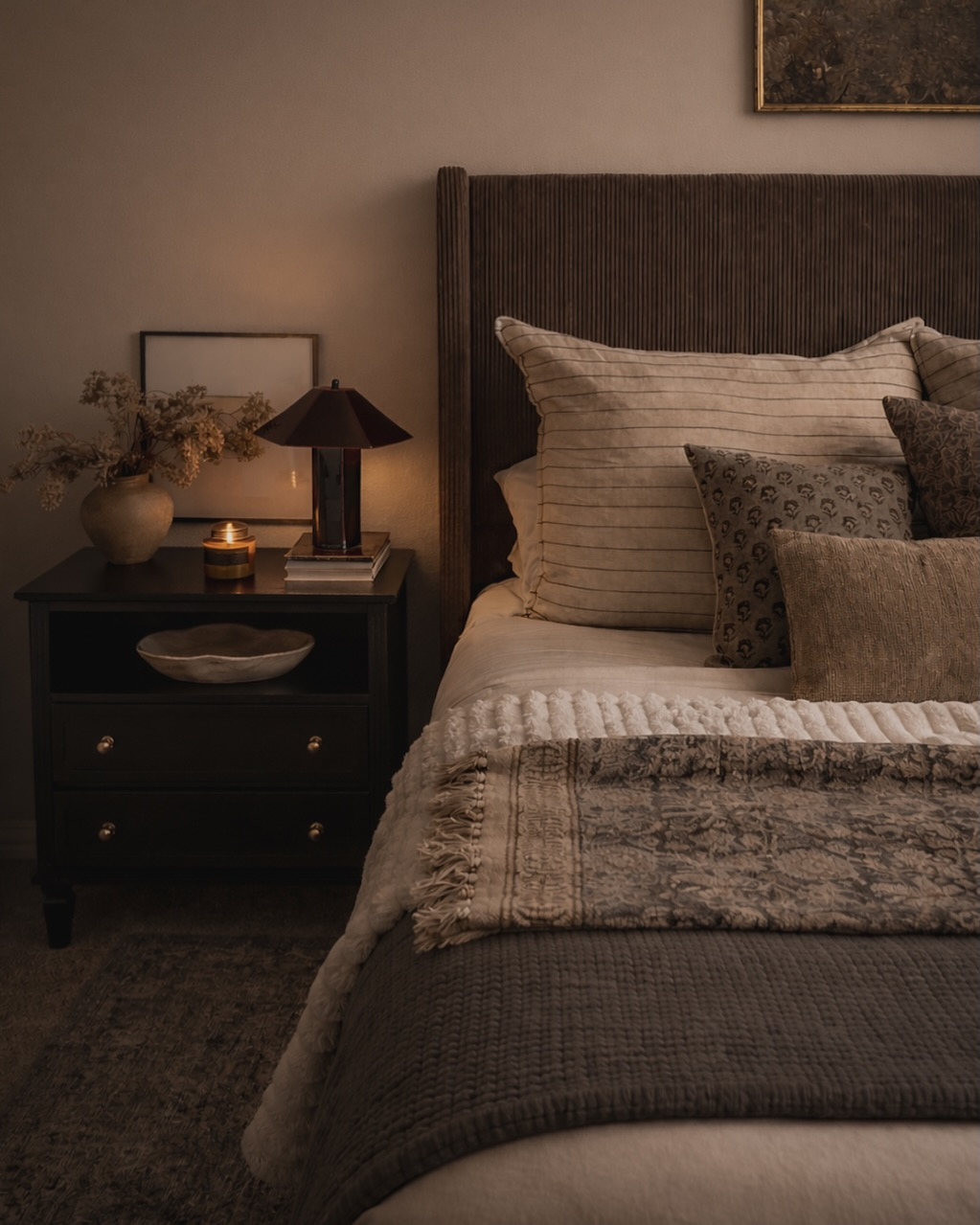
Three is the most versatile number and an ideal starting point. It works particularly well on smaller surfaces such as bedside tables, coffee tables, and entry consoles.
When styling a group of three, variation matters more than the objects themselves. Differences in height, form, and material give the arrangement dimension. A tall vessel, a medium element, and a low piece naturally create visual movement.
What connects them should be subtle rather than obvious. A shared tone, texture, or material is often enough. The goal is cohesion, not uniformity.
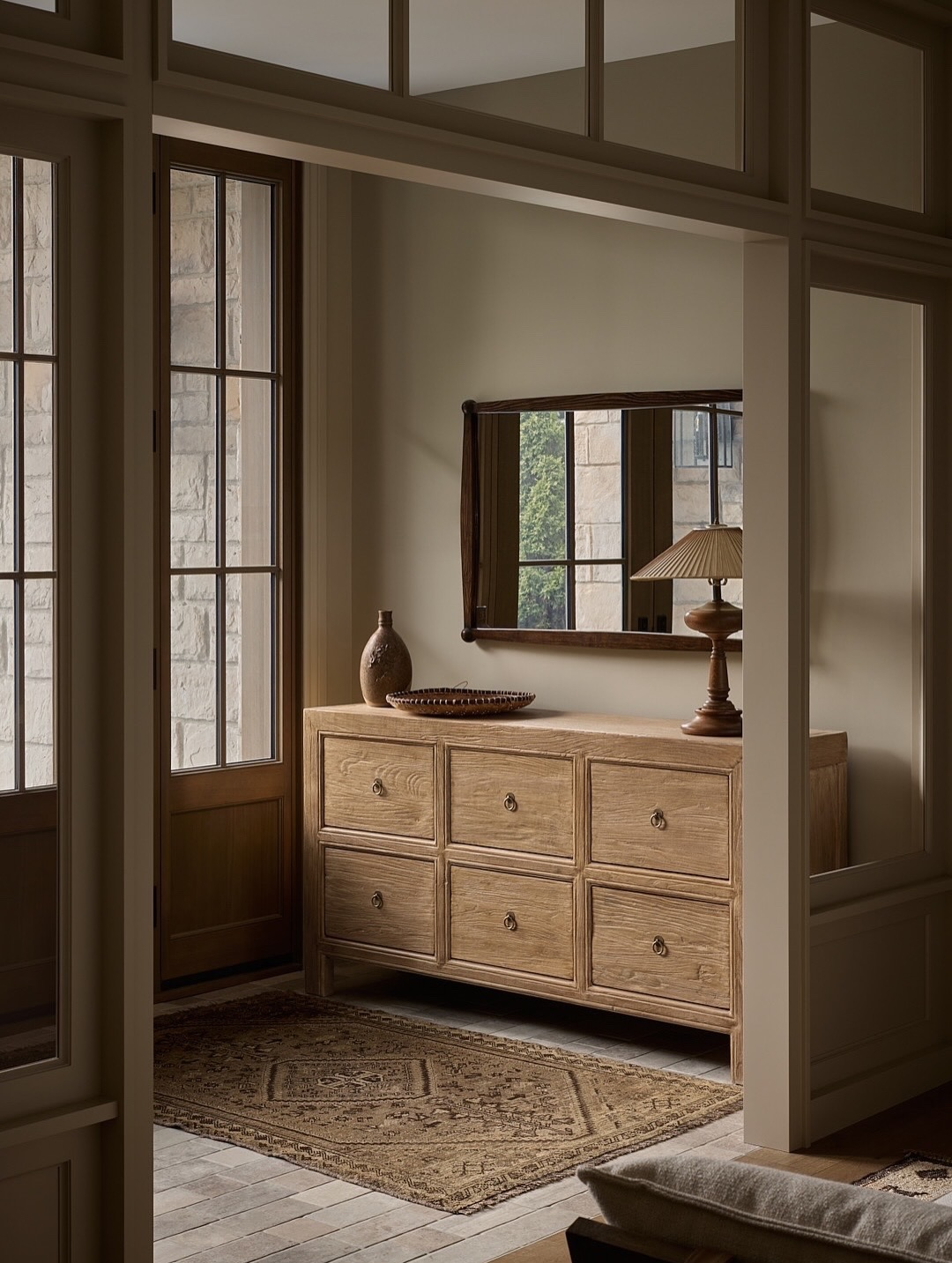
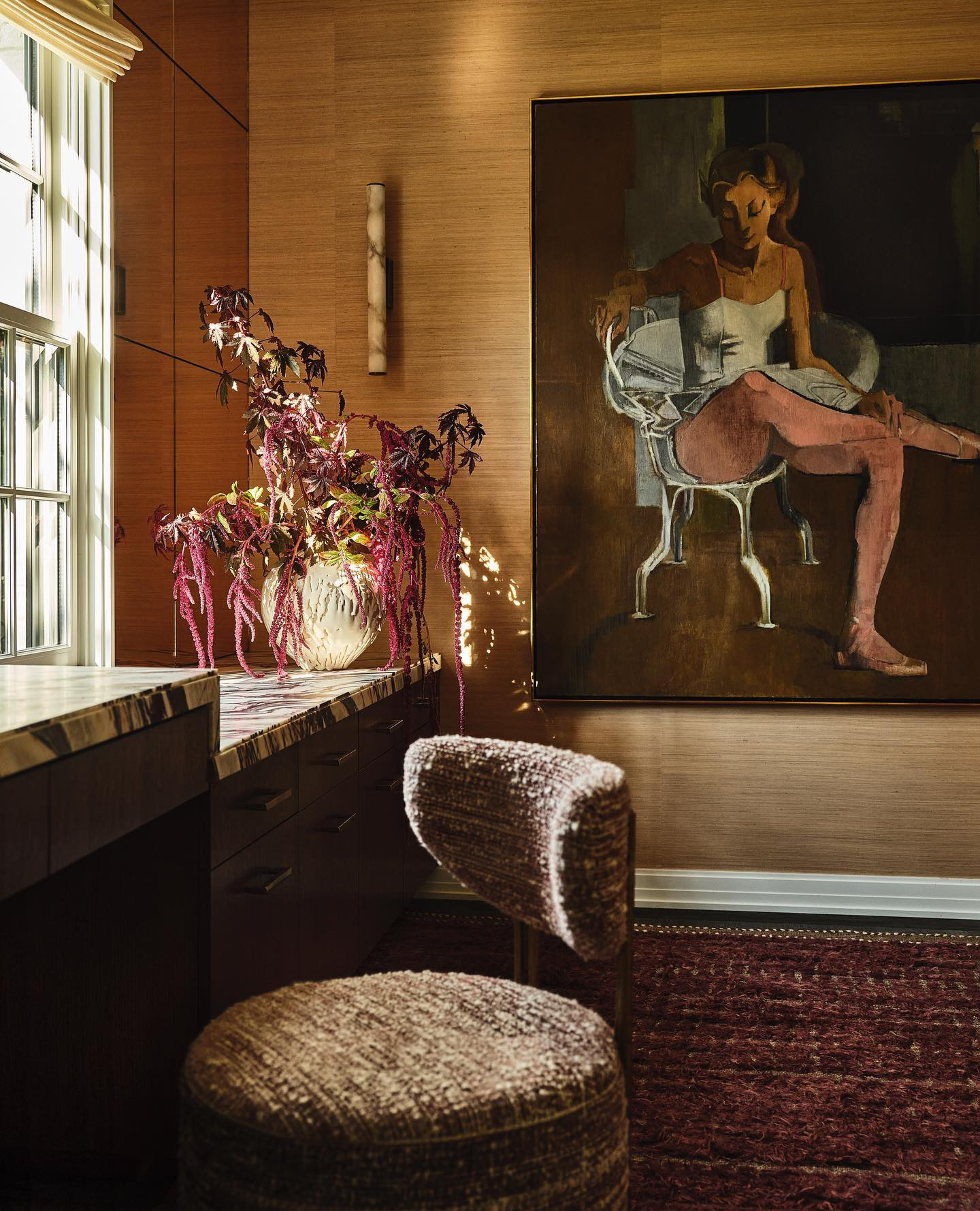
Design by Heidi Caillier Design
Expanding to Five or Seven
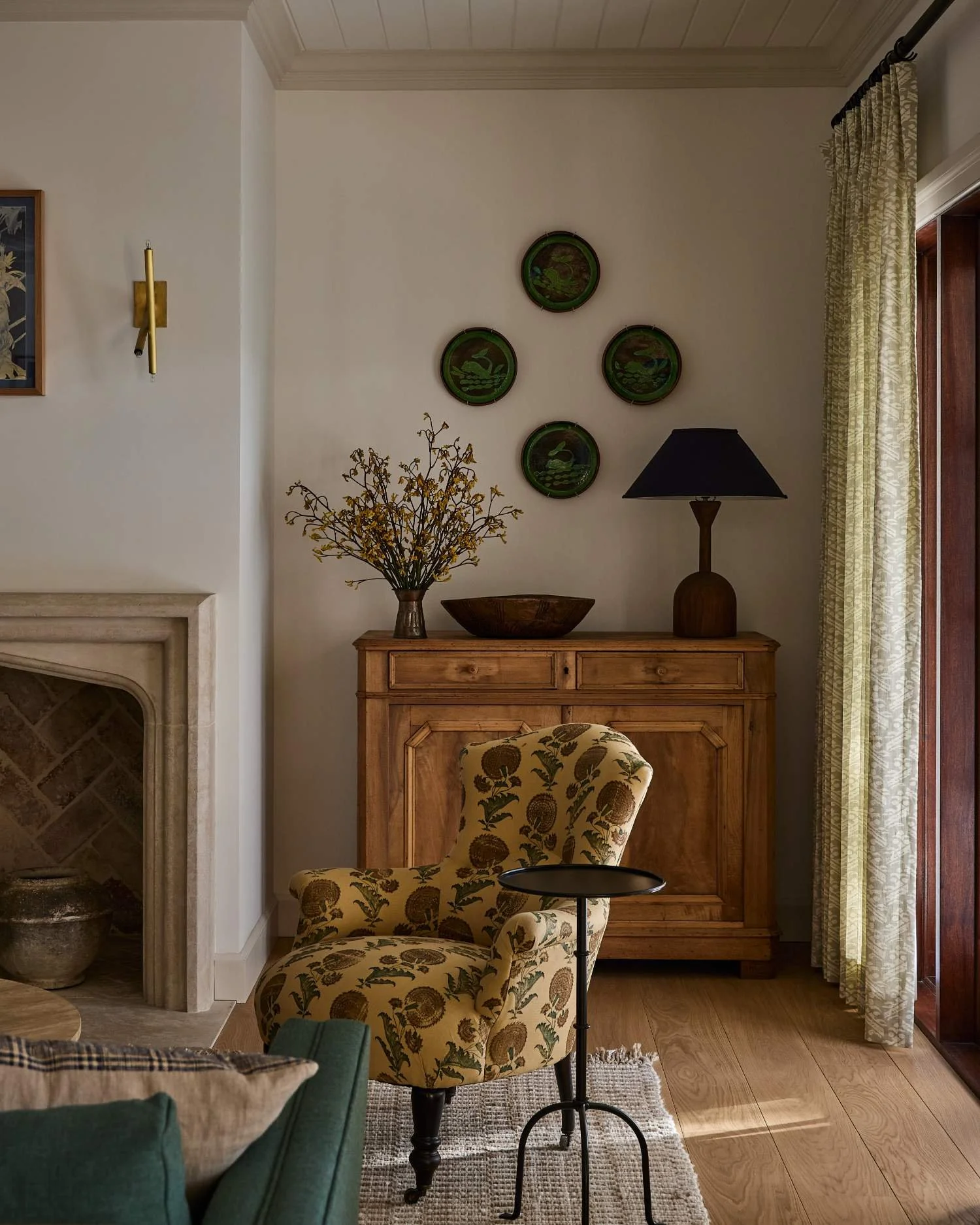
Larger surfaces allow for more complexity. Five or seven elements work well on mantels, bookshelves, and long consoles, where depth and layering become important.
With five objects, consider placing some slightly behind others to create a sense of distance. With seven, think in smaller groupings within the whole—perhaps a cluster of three balanced by two pairs. This approach keeps the arrangement readable and prevents it from feeling scattered.
The surface should feel active but not busy. Each element needs space to be seen.
Design by Lauren Nelson Design
Scale, Weight, and Space
Counting objects is only one part of the process. Their visual weight matters just as much. A single heavy piece can balance several lighter ones, while multiple small items may require restraint to avoid visual noise.
Equally important is negative space. Empty areas allow the eye to rest and give meaning to what remains. Leaving part of a surface untouched is not a failure to decorate—it is a deliberate choice that brings clarity to the composition.
Often, removing one object improves an arrangement more than adding another.
Design by Amber Lewis
Knowing When to Step Outside the Rule
The 3–5–7 rule is a guide, not a requirement. There are moments when a single sculptural object feels complete on its own, or when a symmetrical pair brings calm and order to a space.
If a surface feels balanced, intentional, and appropriate to its surroundings, the numbers matter less. The rule exists to sharpen intuition, not replace it.
Design by Paula Bielak
Styling with Intention
Well-styled interiors are rarely about abundance. They are about editing, proportion, and placement. The 3–5–7 rule offers a quiet structure for making those decisions with confidence.
Over time, working with odd-numbered groupings develops a stronger sense of rhythm and restraint. Surfaces begin to feel settled rather than styled, and decorative objects become part of the space instead of competing for attention.
A thoughtful home does not announce itself. It reveals itself slowly—through balance, intention, and the space left in between.
Looking for Valentine’s Day decor ideas for every room? Discover how to decorate your bedroom, bathroom, kitchen, and living room with romantic touches that
Looking for Valentine’s Day decor ideas for every room? Discover how to decorate your bedroom, bathroom, kitchen, and living room with romantic touches that
In 2025, Christmas Decor Trends are redefining holiday interiors. From the chic simplicity of velvet bows to the magic of shimmering icicles, these ideas
There’s something deeply satisfying about getting your home ready for the colder months. Stocking up on the right essentials turns even the chilliest days